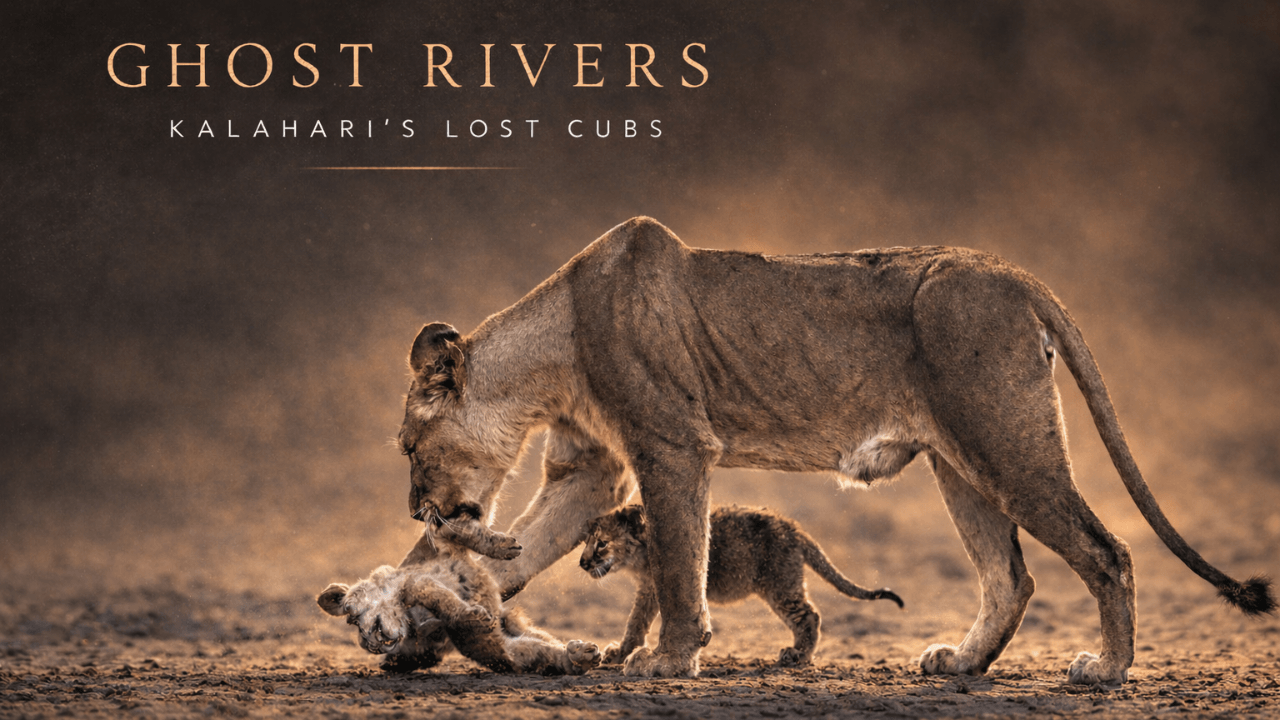
Journey into the Okavango
The Okavango Delta is a wetland of indescribable beauty. Nearly 11 tonnes of water travel from the Angolan Highlands catchment through various large rivers and smaller channels for approximately 1600 km before being inhaled by the oceanic sands of the Kalahari Desert. This process takes roughly six months from start to finish as the water carves its way through a surface area ranging between 6,000 and 15,000 square kilometers. These rivers and channels bring life to what would otherwise be a desolate landscape, attracting wildlife, birdlife, and travelers from around the world – making it one of Africa’s greatest natural destinations.
During production work toward the end of 2025 in the western section of the Okavango, our team was alerted to forecasts predicting above average, and potentially devastating, rainfall across the region stretching from Angola to the southern reaches of the Kalahari. We monitored weather patterns closely and assessed approaching storms daily to determine the extent of our visit.
When we entered the Okavango in mid-November, the road between Maun and the delta was already heavily flooded. It took us over five hours to travel the 130 km from Maun to base camp. Mud pools were at times bonnet-deep, and on several occasions we had to winch ourselves out of trouble which led to eventually burning out the winch motor entirely, making navigation through the thick mud and deep water both difficult and dangerous. We witnessed several trucks break down and stay submerged in exceptionally deep water, and our concerns grew with each passing day.
With the launch of our latest publication, Eden – Soul of Africa, being scheduled for 12 December 2025, we had to make a calculated decision regarding when to leave the Okavango in order to ensure our return to South Africa for the special event. That decision ultimately saved us from disaster.
As extreme weather systems intensified around us, we chose to depart several days earlier than planned, leaving on 5 December and arriving back in Maun the same evening. On 6 December, the heavens opened, completely flooding the Maun–Okavango road and leaving another film crew, along with several tourists, stranded in the Mababe region. They could neither return to camp nor make their way back to Maun.
Relentless rainfall even destroyed sections of the tar road near the Groblersbrug/Martins Drift Border Post – a catastrophe our team narrowly avoided by just three days. Widespread devastation engulfed large parts of Botswana, yet fortunately we escaped mostly unscathed. Aside from destroyed brake pads, a damaged winch, and several electronic issues, our production vehicles made it safely back to Hoedspruit to rest over the December period.
In April 2026, our team returned to the Okavango, documenting the expedition on film as we explored the tremendous – and often devastating – impact the rainfall had on the ecosystem, wildlife, and tourism sector. The scale of the flooding was beyond anything we could have imagined. Despite receiving several warnings beforehand, nothing could truly have prepared us for what lay ahead.

On 25 April, we departed Audi Camp in Maun toward the Khwai region of the Okavango. Our usual filming base camp was inaccessible, lying approximately 1.2 meters submerged underwater. It took only thirty minutes for us to realize the scale of the challenge awaiting us as we hit the gravel road, which was almost entirely submerged beneath deep water and thick mud.
Six hours later, we arrived at camp to discover that the entire river road and southern Chobe area had disappeared beneath a vast inland lake. We were greeted by friendly – though understandably wary – staff who had ironically only returned earlier that week after being dismissed in January due to the floods.
Tourism in the region had virtually collapsed, and camps situated along the river had been forced to abandon their traditional sites and establish temporary camps deeper within the forests. This created further conflict with local elephant populations, which were accustomed to feeding on trees now occupied by tents and safari vehicles. Consequently we were harassed most evenings and even had frustration taken out on an innocent chair as an elephant kicked it across camp to state his point. We hope that as soon as the floods recede, the camp sites can be moved back to their original place and the elephants can enjoy feeding on their favorite trees (Umbrella thorn).
Our temporary camp, lacking both name and number, was positioned on the edge of the famed Dead Tree Forest. Yet as we looked across the landscape, all we could see were the tops of dead trees emerging from a giant lake. I could hardly believe it.
We drove toward the eastern section of the forest and gazed across plains usually inhabited by zebra, elephant, impala, and tsessebe antelope. Instead, the area was occupied by fish eagles and hippos. Not a single road was visible, nor was there any indication of land on the opposite side, only endless water.
Within an hour of scouting the area, we became hopelessly stuck and once again needed to rely on the winch to pull ourselves free. Only around 40% of the normally accessible driving area remained usable. The entire Khwai region had transformed into a vast swamp-like lake, offering us a rare glimpse into its ancient past as a historic floodplain.
To our knowledge, few people alive today have witnessed the region in this state, with many locals claiming the floods have not been this severe since the 1970s. Many have referred to it as a “generational flood.” Yet the truly astonishing reality is that this is not even the main flood – the true Okavango floodwaters are still on their way from Angola.
As mentioned earlier, it takes approximately six months for the floodwaters to travel the length of the Okavango system, meaning river levels typically peak during June, July, and August. The excess water we witnessed was primarily the result of torrential rainfall experienced throughout the region since December 2025 and not yet the arrival of the annual flood pulse itself.
This means water levels are expected to rise even further throughout 2026, with the climax anticipated around August. We have two photographic safaris departing for the Okavango later this year, and guests joining these expeditions will experience the extraordinary privilege of witnessing such a rare natural phenomenon firsthand.
When we departed on this production expedition, we had very little expectation regarding wildlife sightings. Our primary goal was to document the Okavango during a period of extreme flooding and assess the impact on both wildlife and local communities.
However, we carried with us one dream photograph – that once-in-a-lifetime image you instinctively know may never present itself again.
Did we get that opportunity? That story will be revealed in our upcoming series, Journey into the Okavango.
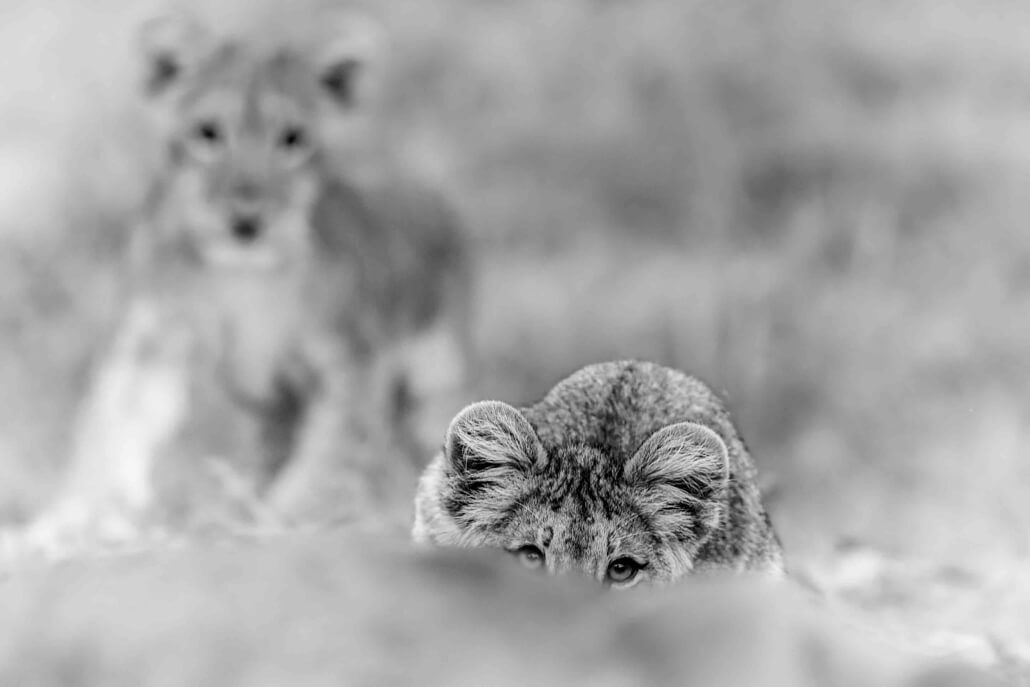
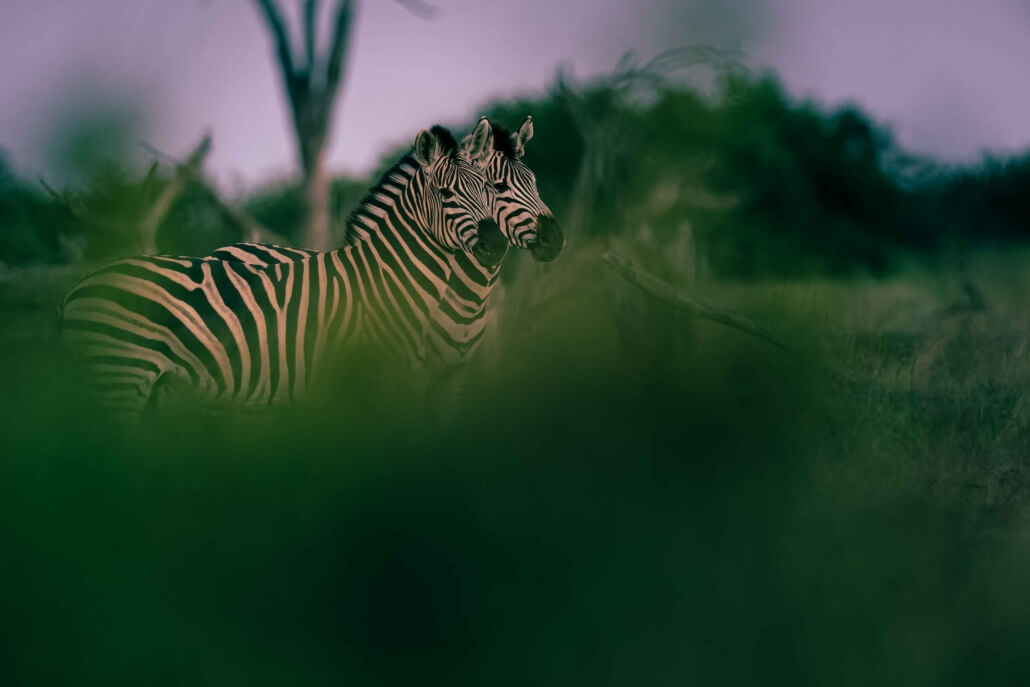
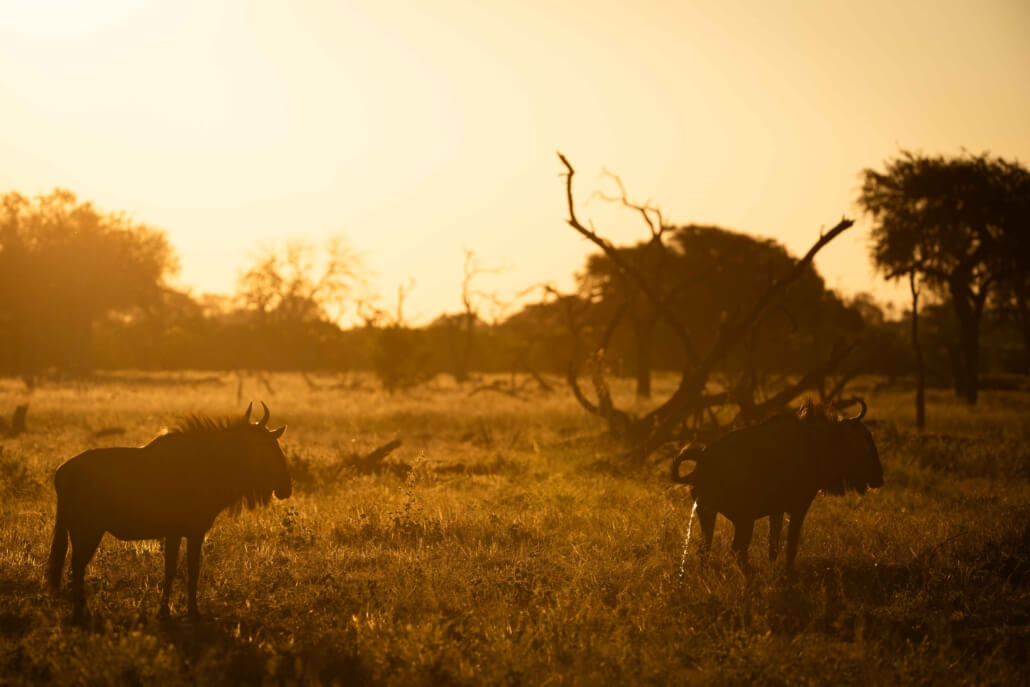
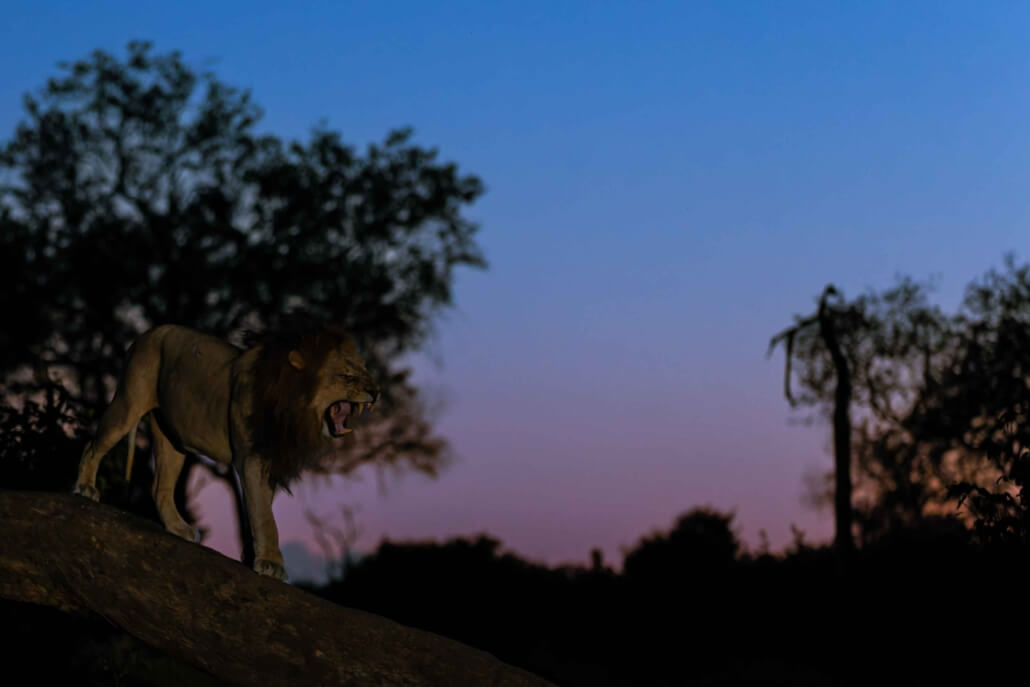
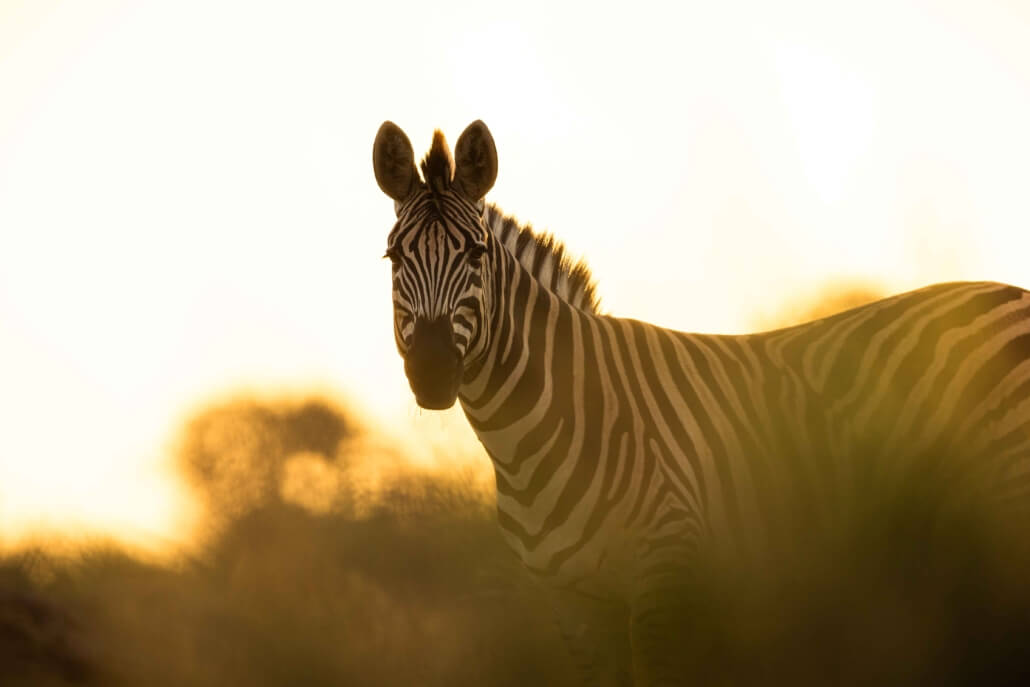
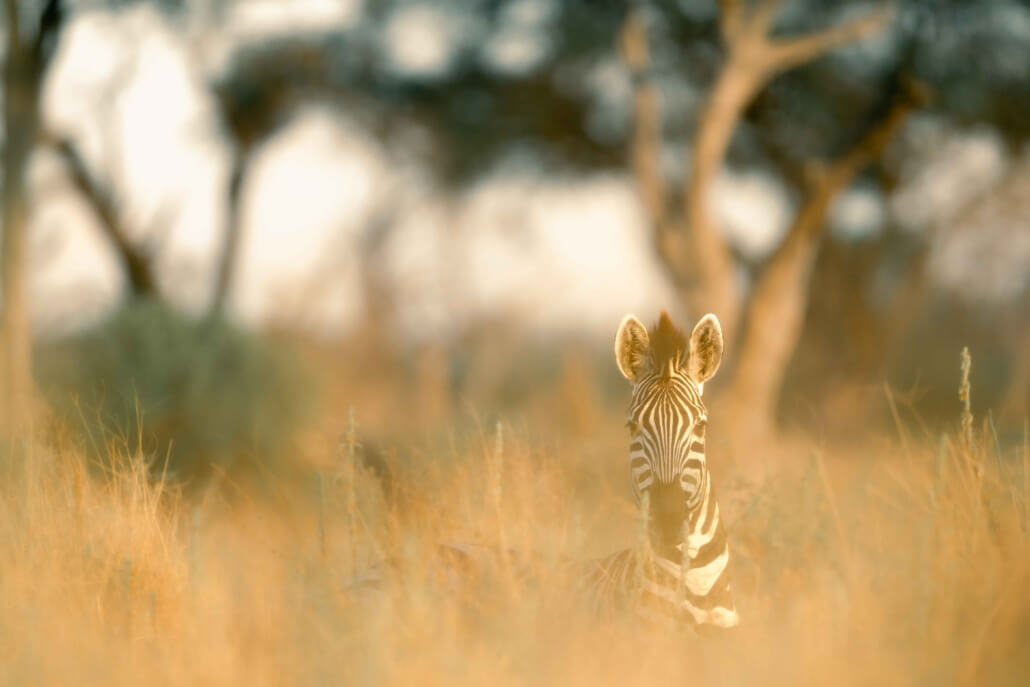
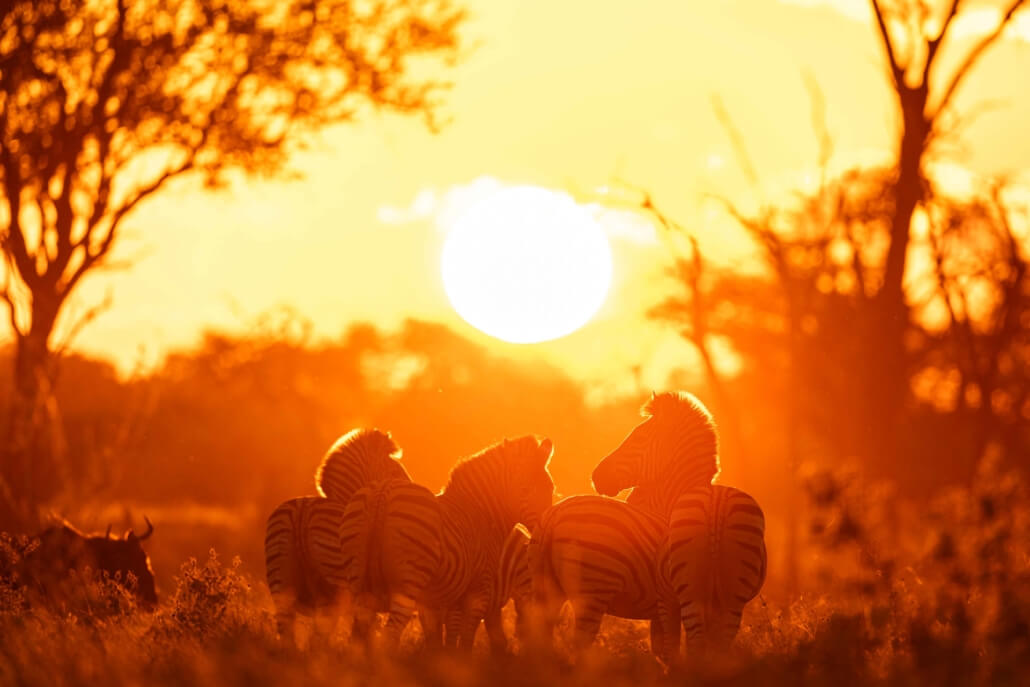
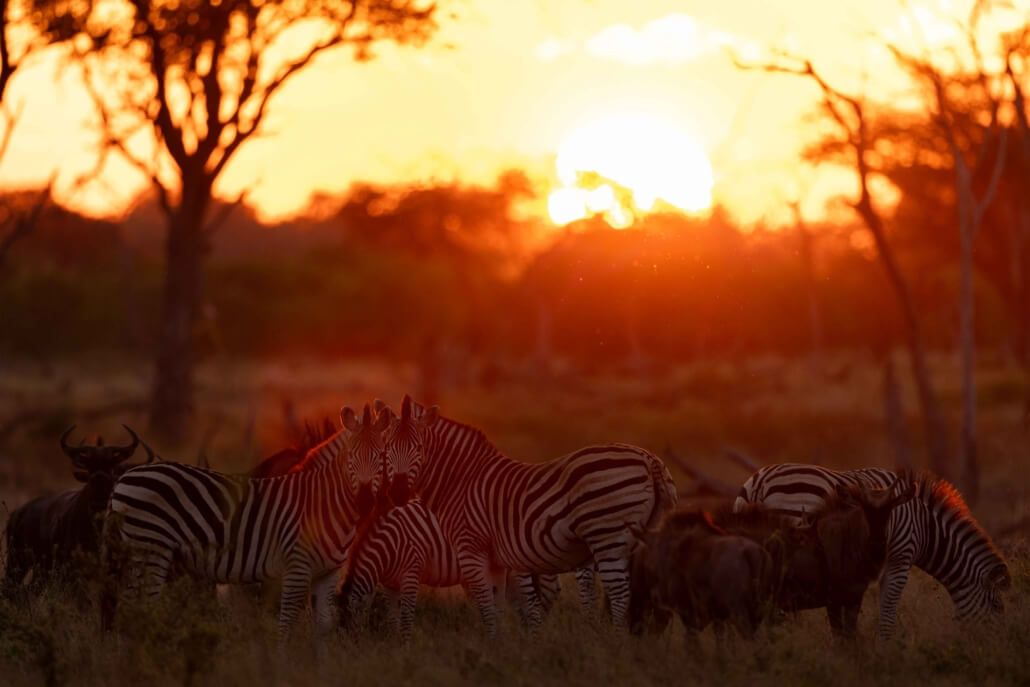
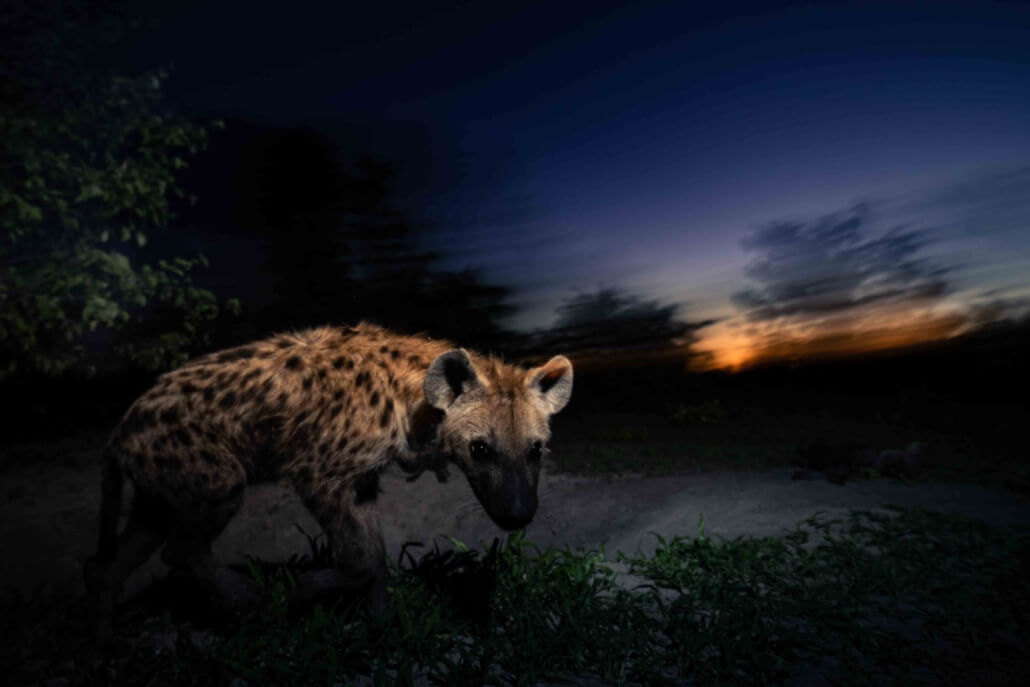
Wildlife remained abundant throughout the region, with massive herds of zebra, impala, and giraffe congregating on higher ground unaffected by flooding. These conditions produced extraordinary photographic opportunities, particularly during sunrise and sunset when crystal-clear skies ignited in shades of lilac, deep ocean blue, and blood-red scarlet unlike anything we had previously experienced in the delta.
The word “magic” scarcely does justice to the atmosphere we encountered. It felt like a land reborn, restored, rejuvenated, and reclaimed by nature itself.
I cannot wait to return toward the end of 2026 to witness the subtle transformations these floods will leave behind, as I am certain the region will once again become almost unrecognizable once the waters eventually recede and wildlife disperses back across the floodplains.
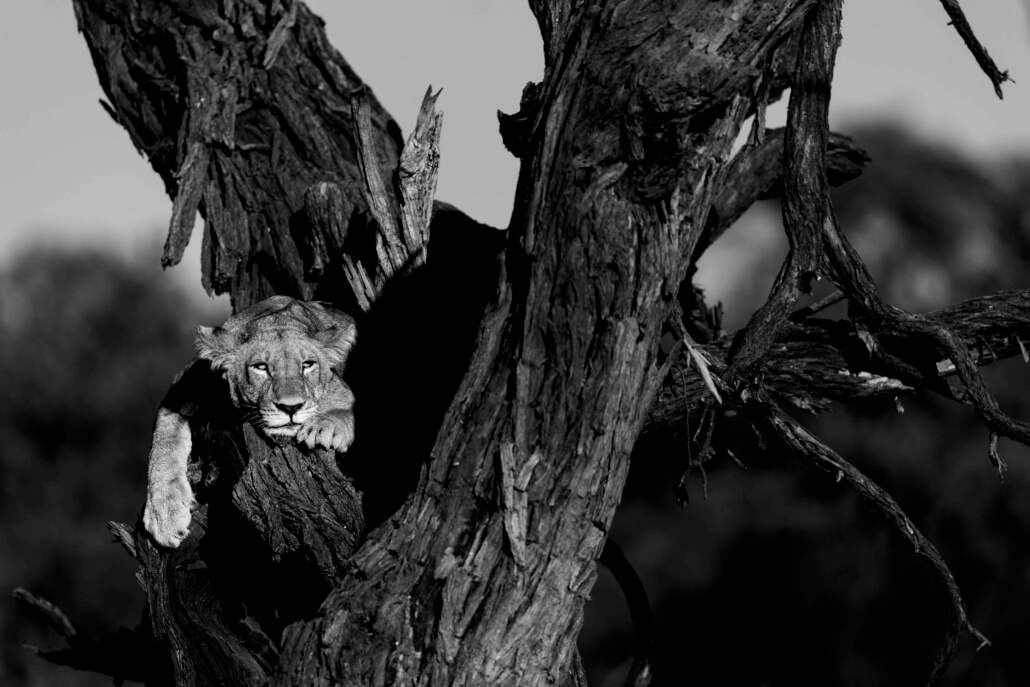
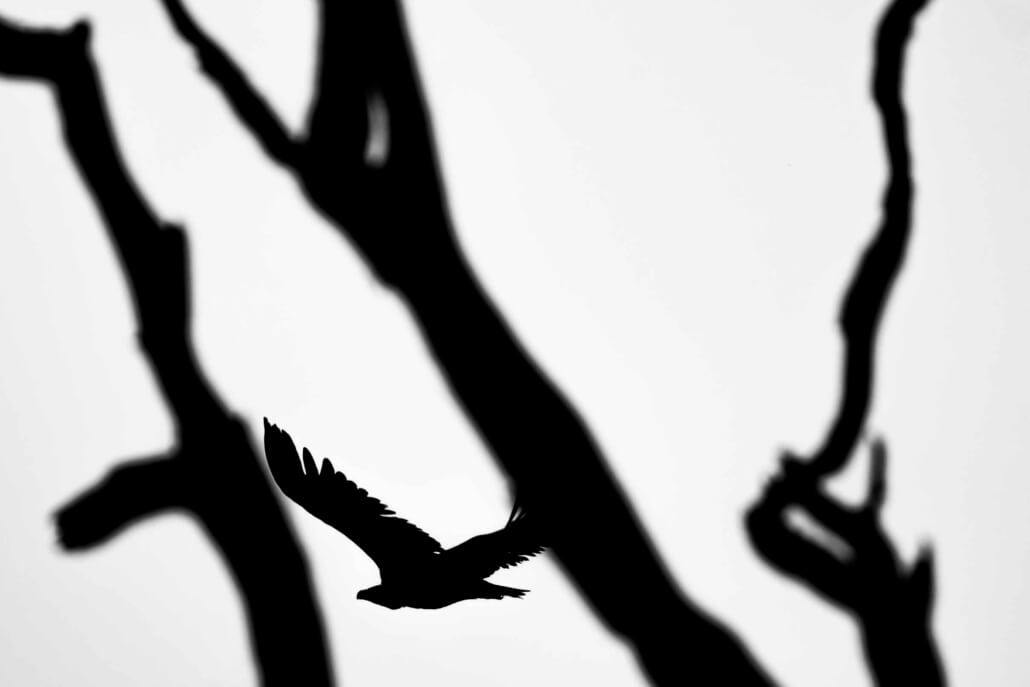
For those wondering whether the sightings are still worthwhile during such extreme conditions – although no safari can ever guarantee success, we can confidently say that the imagery and film we captured over several weeks were unlike anything we have ever documented before. For us, it was more than worth the trip up as rare conditions created rare opportunities.
As the wildlife adapted to the floods, so too did their behavior and we witnessed several encounters that left us speechless long after they ended. Predators became increasingly concentrated on isolated dry areas between the floodwaters as territories shrank and competition intensified. It is a season of abundance, with a blanket of emerald green covering the Okavango, yet this period of prosperity may be nearing its conclusion.
Part of our upcoming project is to document both the largest flood in modern Okavango history and, potentially, one of its harshest droughts.
Scientists suggest that following this powerful La Niña cycle, a severe El Niño event may follow, potentially comparable to the devastating drought of 2015/2016. While the final rains of the season now appear to have passed, several climate reports suggest meaningful rainfall may not return until April 2027 or very possibly even later. Should this occur, some areas may endure nearly eighteen months without significant rain.
The rivers will continue flooding for some time but grazing and food resources may gradually become scarce. Upon learning this, our team made the decision to document the Okavango in both its moments of incredible abundance and its periods of hardship.
This project officially began in 2026, but it will not conclude until the arrival of the next rains … whenever they may come.
To follow this journey and experience the adventure captured on film, subscribe to the Rhulani Photo and Film Productions YouTube channel, where the series will be released in the form of mini documentary episodes.
Our productions team again departs on Sunday, 17 May, for Zambia’s South Luangwa National Park, which will also be documented, photographed, and filmed for future episodes.
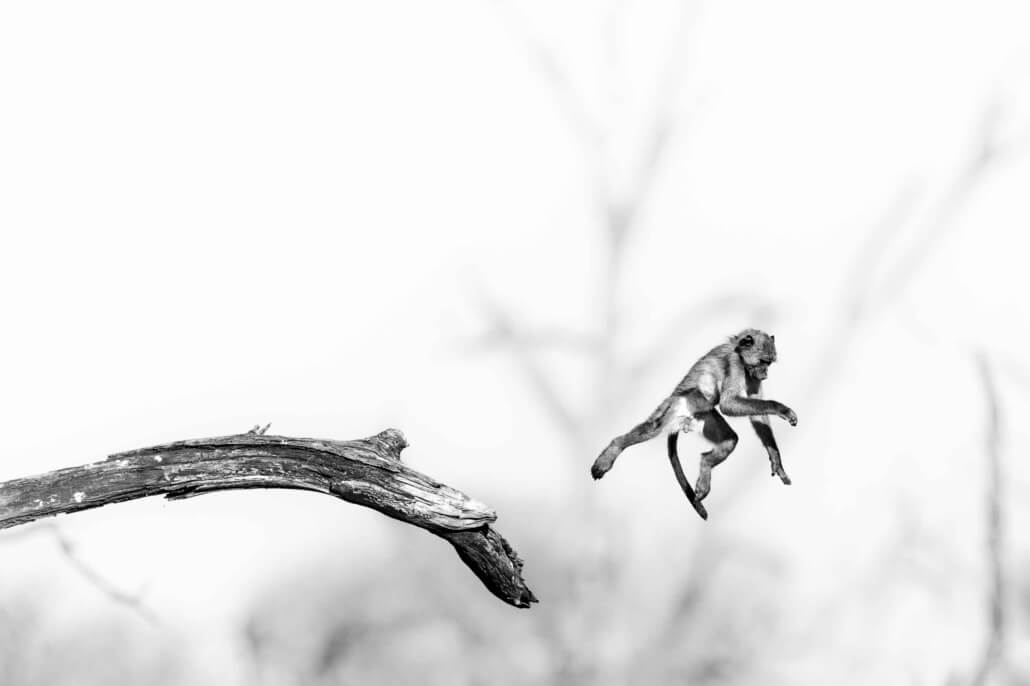
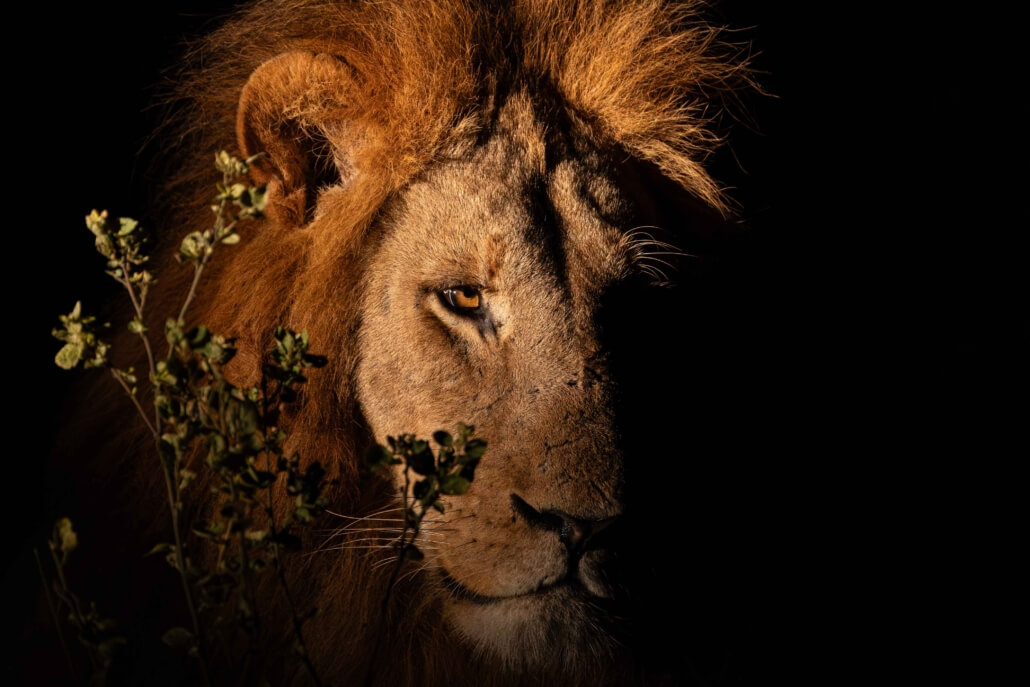
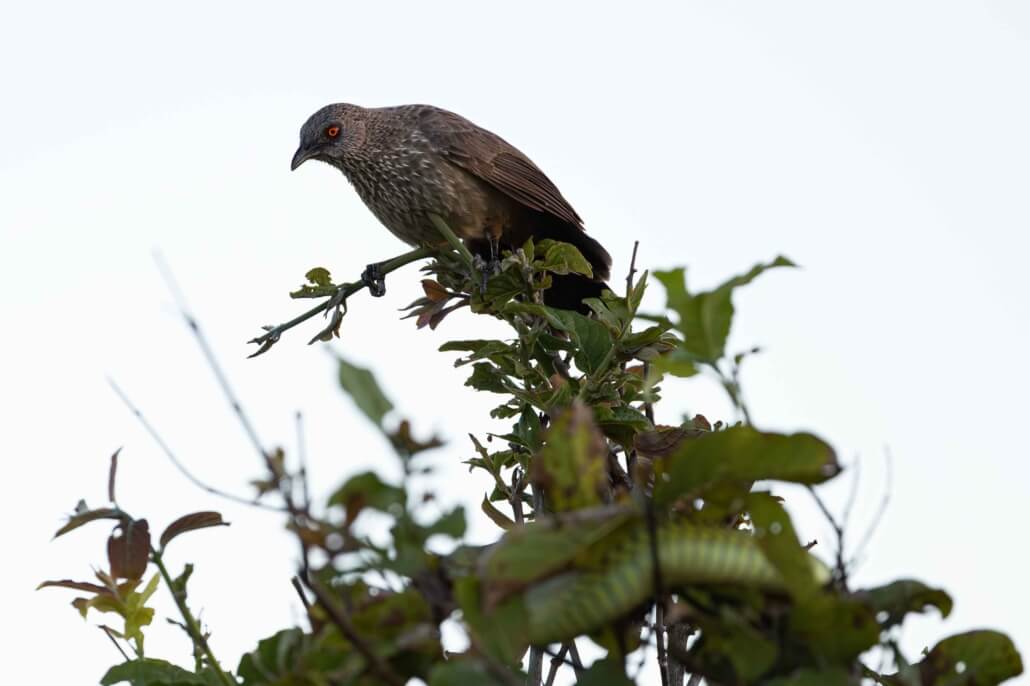
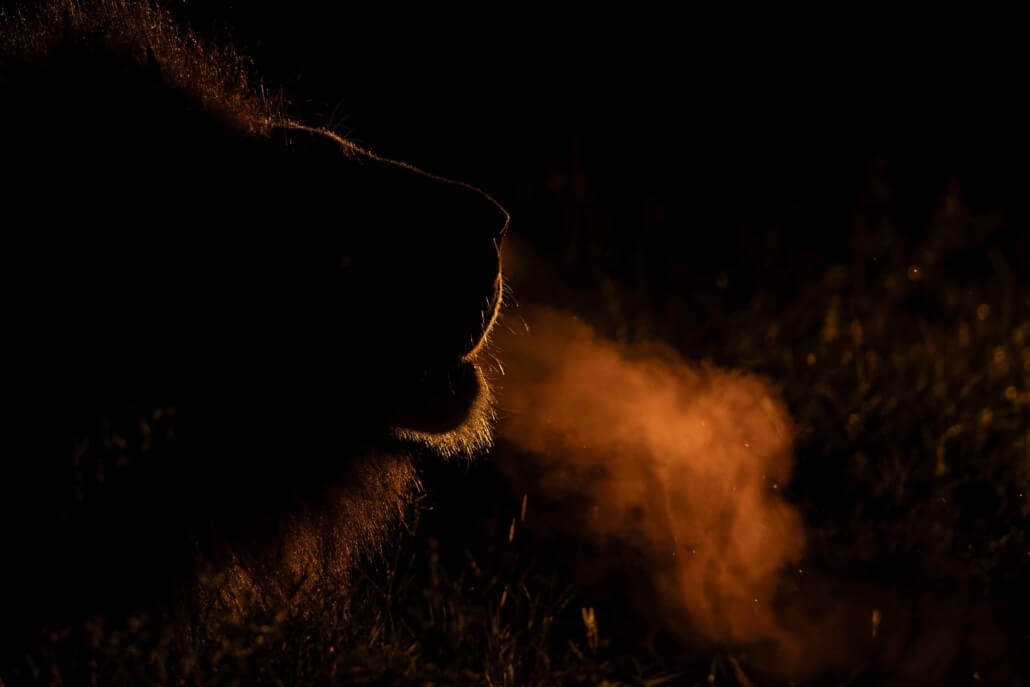
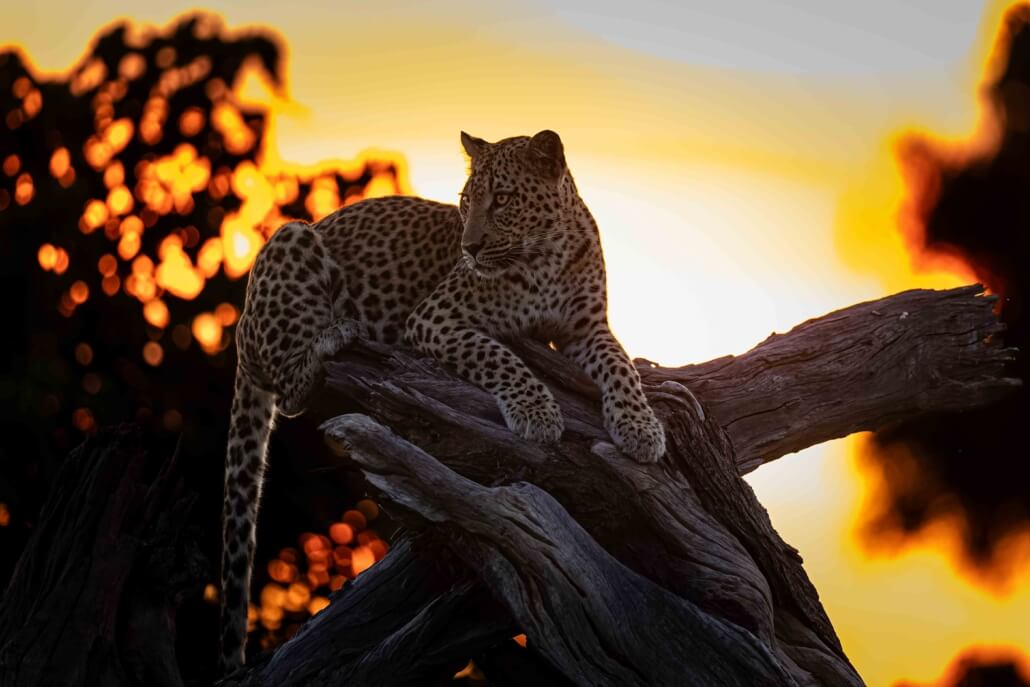
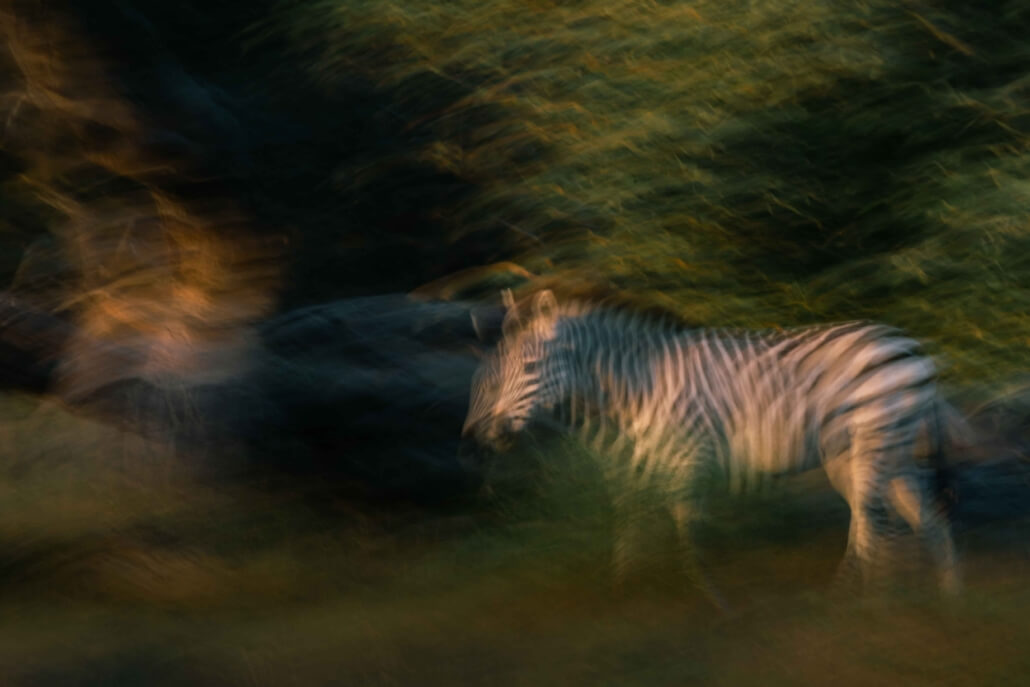
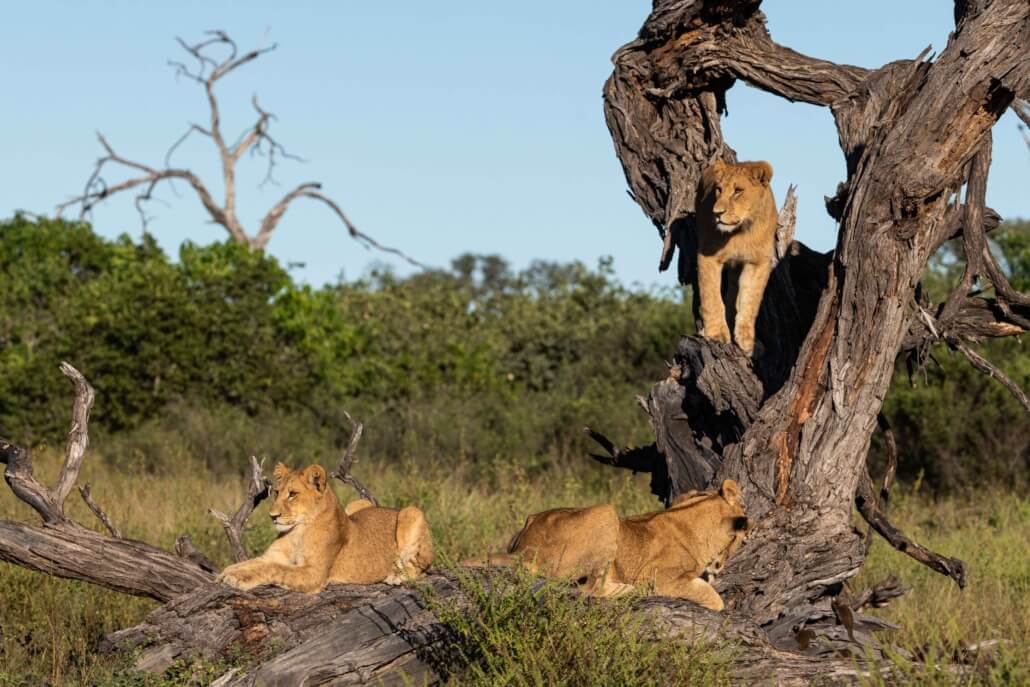
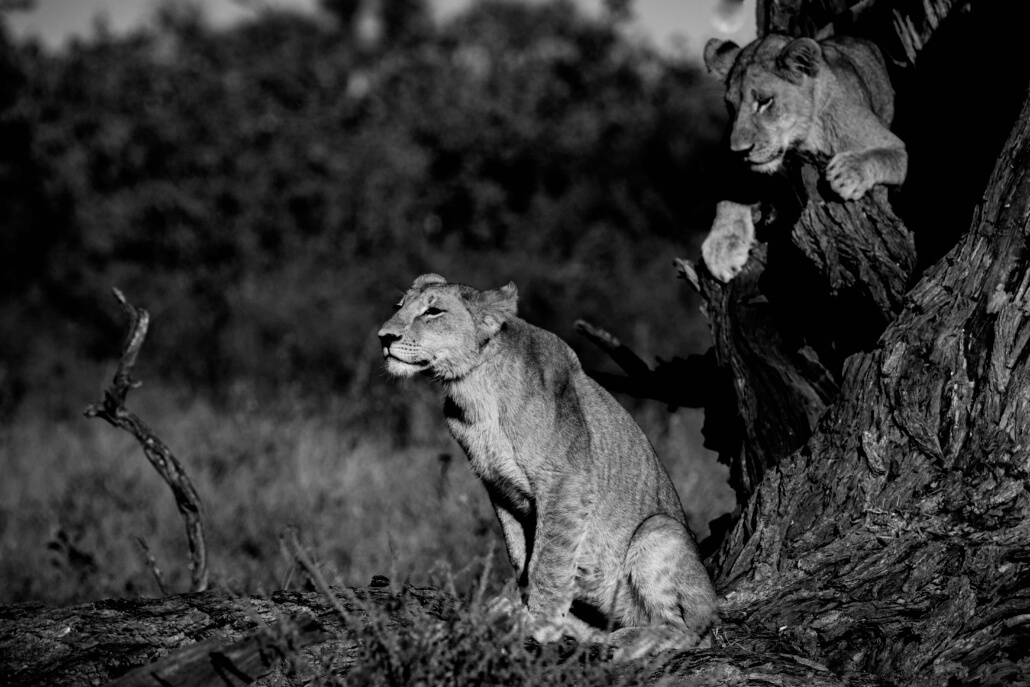
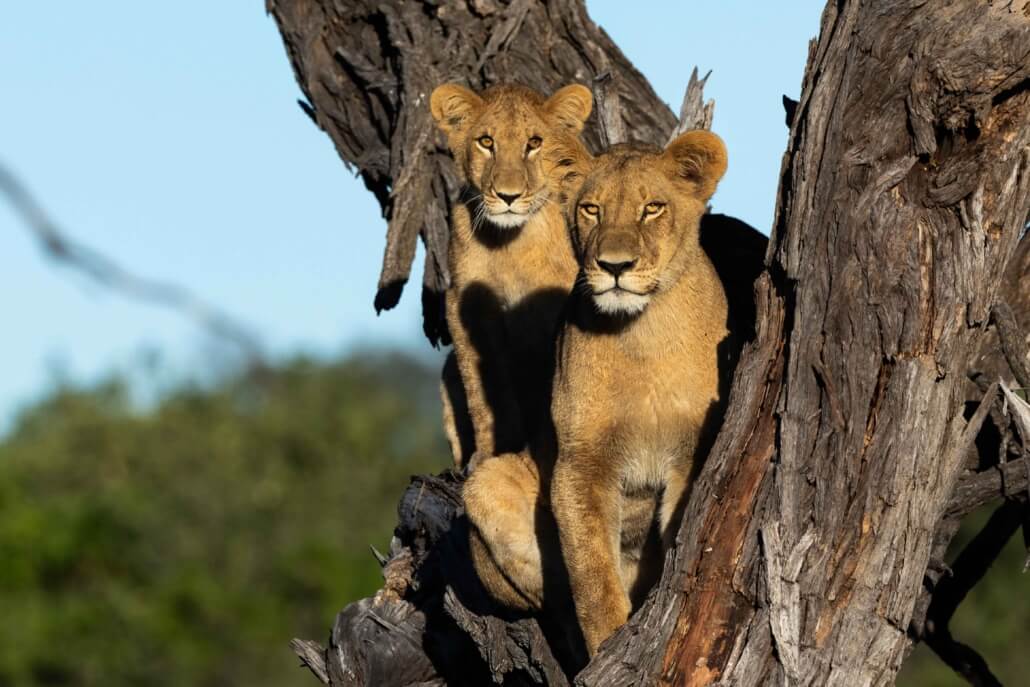
Below is a small collection of images from our Okavango expedition, excluding those reserved for publication. We look forward to the next adventure and to experiencing these extraordinary places not only during productions, but also through our photographic safaris launching in 2027.
Should you be travelling to Botswana soon and require further information regarding current conditions – including updates from regions such as Khwai, Moremi Game Reserve, and Chobe National Park – please contact us at info@rhulaniphotofilm.com and we will gladly assist wherever possible.
At the time of writing, the Moremi Game Reserve remains closed to tourists, and we strongly advise travelers to avoid the northern Moremi/Khwai bridges unless highly experienced in deep-water driving. During our stay, several safari vehicles became submerged and had to be towed back to Maun for repairs.
For guests joining us on an Okavango Delta Photo Safari this year, rest assured that the floods have had no impact on our campsites, as they are located away from the Khwai side of Moremi. While our sites have been moved further back from the riverbanks, they still offer beautiful river views and an unforgettable wilderness experience.
Thank you for taking the time to read this report. We look forward to sharing many more adventures with you in the near future.
Yours sincerely,
Armand Grobler
Director – Rhulani Photo and Film


 Proudly Partnered with South Africa’s Premier Wildlife and Boutique Styled Coffee-Table Book Publishers.