
Sabi Sand – South Africa’s Big Cat Paradise
The Sabi Sand – South Africa’s Big Cat Paradise. During 2025, approximately 10.5 million tourists travelled to South Africa, with nearly 908,000 visiting specifically for a safari. And when it comes to the wildlife people dream of seeing, few animals rival the iconic Big Five: lion, leopard, elephant, rhino and buffalo. Kruger National Park, Pilanesberg, Hluhluwe-iMfolozi and Addo Elephant National Park are among South Africa’s most popular safari destinations. Yet when it comes to big cats, there is one destination that consistently stands apart: The Sabi Sand.
Where is the Sabi Sand?
Located along the southwestern boundary of the Greater Kruger ecosystem, the Sabi Sand forms a natural, unfenced border with the world-famous Kruger National Park, covering approximately 65,000 hectares. This unfenced boundary is one of the defining characteristics of the Greater Kruger. Wildlife moves freely between protected areas, creating an open system of game movement, following ancient routes in search of food, water, territory and mates. People, however, do not have the same freedom.
Although an elephant or leopard sees no border, visitors cannot simply drive between reserves. Access is controlled through specific permissions and traversing agreements, creating a carefully managed system that allows wildlife to move freely while regulating human activity. To the west, the Sabi Sand borders local communities, where a high-voltage fence separates the reserve from surrounding farmland. Many communities rely on small-scale farming and livestock, and predators such as lions and leopards can occasionally venture beyond the reserve in search of easier prey. This can create serious conflict between wildlife and people, particularly when older, injured or displaced predators struggle to hunt successfully. To the north lies Manyeleti Game Reserve, followed by the Timbavati, Klaserie and Balule reserves. Together, these protected areas form part of the enormous Greater Kruger ecosystem – one of Africa’s most important interconnected wildlife landscapes.
Not All Sabi Sand Experiences Are the Same
One of the Sabi Sand’s unique characteristics is that it is not a single reserve operating under one management system. Numerous private properties and safari lodges operate within the greater area, connected through traversing agreements. These agreements determine where individual lodges are permitted to drive, meaning that not every lodge offers the same safari experience. Some properties have relatively limited traversing areas, while others have access to much larger sections of the reserve and for safari travellers, this is an important consideration when choosing where to stay. A lodge with extensive traversing rights can cover considerably more ground and access more habitats and wildlife territories – particularly important when following mobile predators such as lions, leopards and wild dogs. For our own photographic safaris, Rhulani Photo & Film operates from Elephant Plains Game Lodge, where extensive traversing rights allow us to cover significant ground and follow animal movements with greater flexibility.
So then what makes the Sabi Sand South Africa’s big cat paradise?

Why Is the Sabi Sand So Good for Big Cats?
There are many theories as to why big cat sightings can be so exceptional in the Sabi Sand, even when the same animals can feel considerably more unpredictable just across the border in the Kruger National Park. After approximately ten years of operating in the Sabi Sand, we have spent countless hours watching its wildlife and observing the relationship between animals, guides and vehicles, and in our experience, it begins with one simple word: Respect.
The Sabi Sand is home to some exceptionally skilled guides, many with years of experience and an intimate understanding of animal behaviour. Being a good guide requires far more than identifying tracks or knowing the names of species. It requires patience, awareness and, above all, a genuine respect and deep love for the wildlife. Over the years, we have repeatedly witnessed what appears to be an extraordinary tolerance between animals and safari vehicles as a leopard walks directly past a vehicle or a lion settles down beside a group of photographers. An elephant may pass within metres without displaying the slightest concern, when in the adjacent reserves, these animals display entirely different behavior (due to lack of understanding and respect from self-driving vehicles who often push the animals beyond their comfort zone). In the Sabi Sands to the animal, the vehicle has simply become another part of the landscape a that creates something extraordinary – the opportunity to sit just metres from one of Africa’s great predators while watching it behave as though you weren’t there at all. Perhaps that is one of the greatest secrets of the Sabi Sand – South Africa’s Big Cat Paradise. It isn’t simply about finding the cats. It is about creating an environment in which the cats allow you to be there.
Habitat: The Foundation
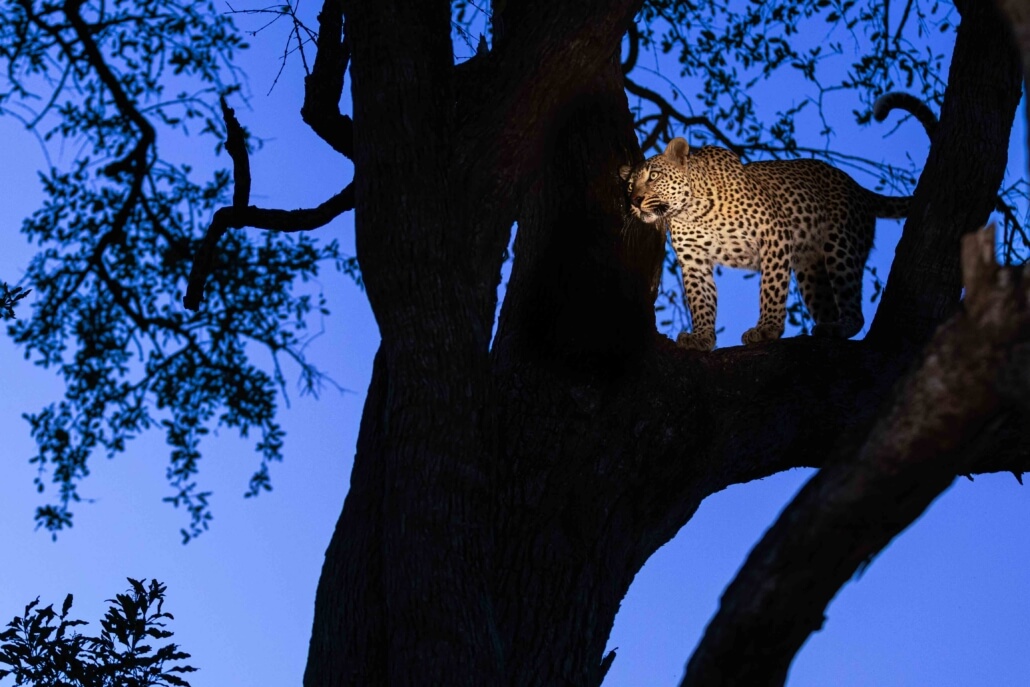
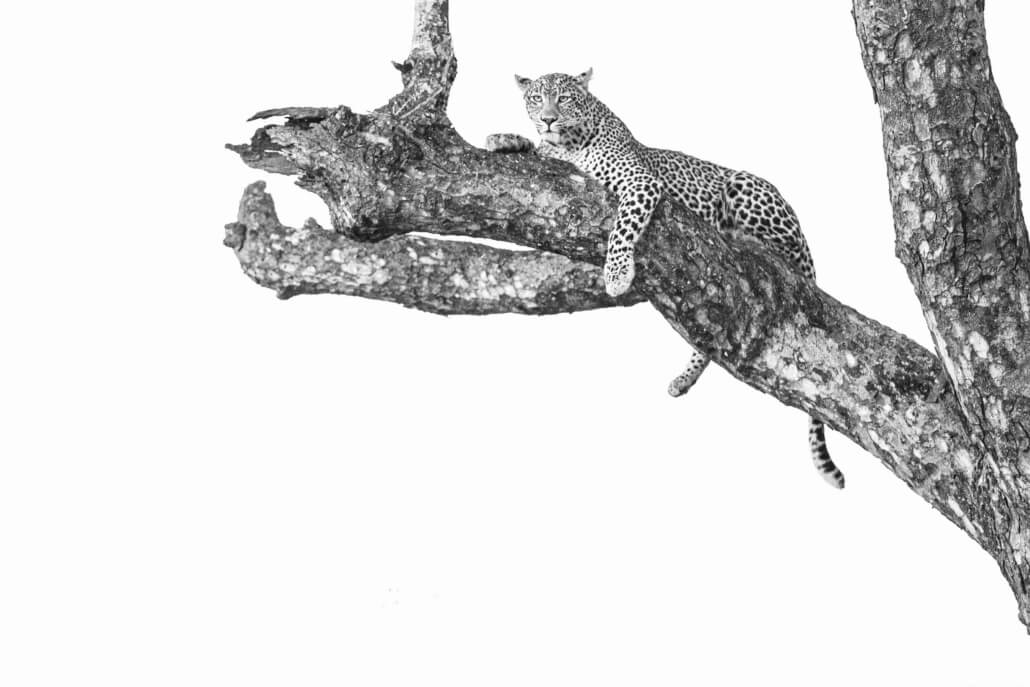
Respect lays the foundation, but the Sabi Sand also has another major advantage: Habitat. The dense vegetation, riverine forests and woodland provide exceptional habitat for leopards. Mature trees such as Jackalberry and Marula offer ideal locations for leopards to hoist kills, protecting their meals from competing predators and scavengers. The vegetation also supports an abundance of prey species such as impala, bushbuck and duiker. It is a combination that creates an almost perfect environment for leopards: food, water and cover. This differs dramatically from destinations such as the Maasai Mara and Serengeti, where vast open plains dominate the landscape and large trees can be considerably more scattered. Interestingly, we have also noticed another change within parts of the Sabi Sand over the past year. As some areas have become more open through bush clearing, we have simultaneously seen increasing numbers of buffalo entering these areas and, following them … lions! It is a fascinating reminder that all these tender ecosystems are interconnected.
Abundance does not necessarily mean abundance for everything.
The Cheetah Exception
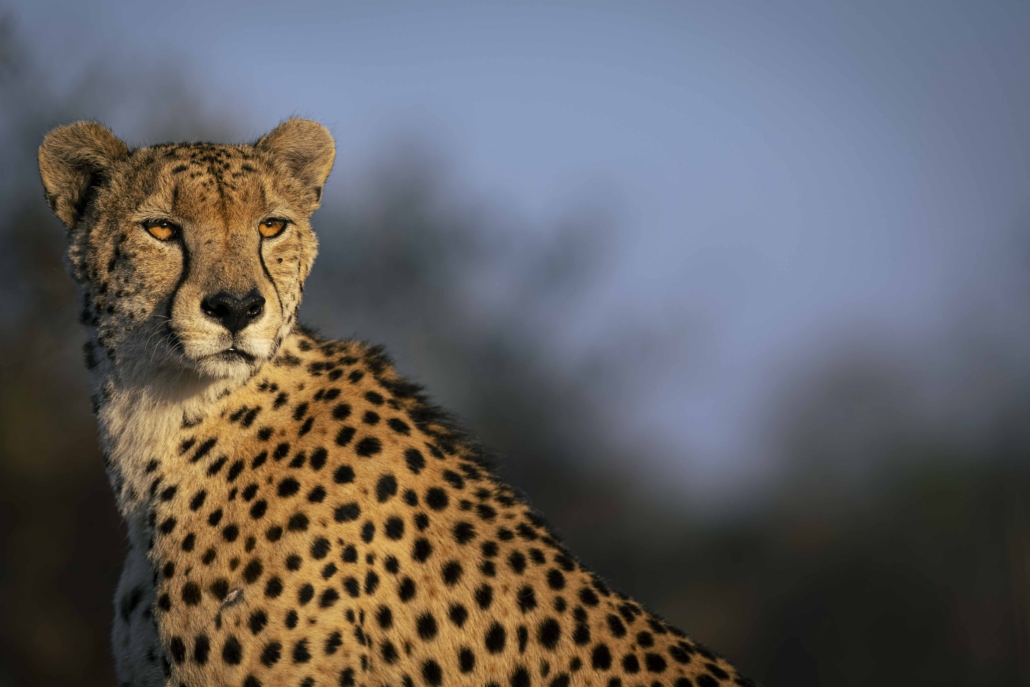
Although cheetahs are not technically classified as one of the true big cats, they deserve a place in this discussion. Unlike lions and leopards, cheetahs are relatively scarce in the Sabi Sand and can be surprisingly difficult to find. With high densities of lions, leopards, spotted hyenas and African wild dogs, cheetahs face intense competition from larger and more powerful predators. Their kills are often stolen by larger predators or scavengers and they are too often preyed upon by other predators who kill them not for food, but to minimise competition. We have on several occasions witnessed leopard trying to catch cheetah, as well as lion trying to catch a leopard. The cheetah’s scarcity provides an important lesson about nature: balance. Where one species flourishes, another may struggle. The extraordinary abundance of predators that makes the Sabi Sand so exciting for visitors can simultaneously place pressure on a species less capable of competing with them. The Sabi Sand is therefore not simply a story about successful predators. It is a story about an ecosystem constantly adjusting, responding and finding its own balance.
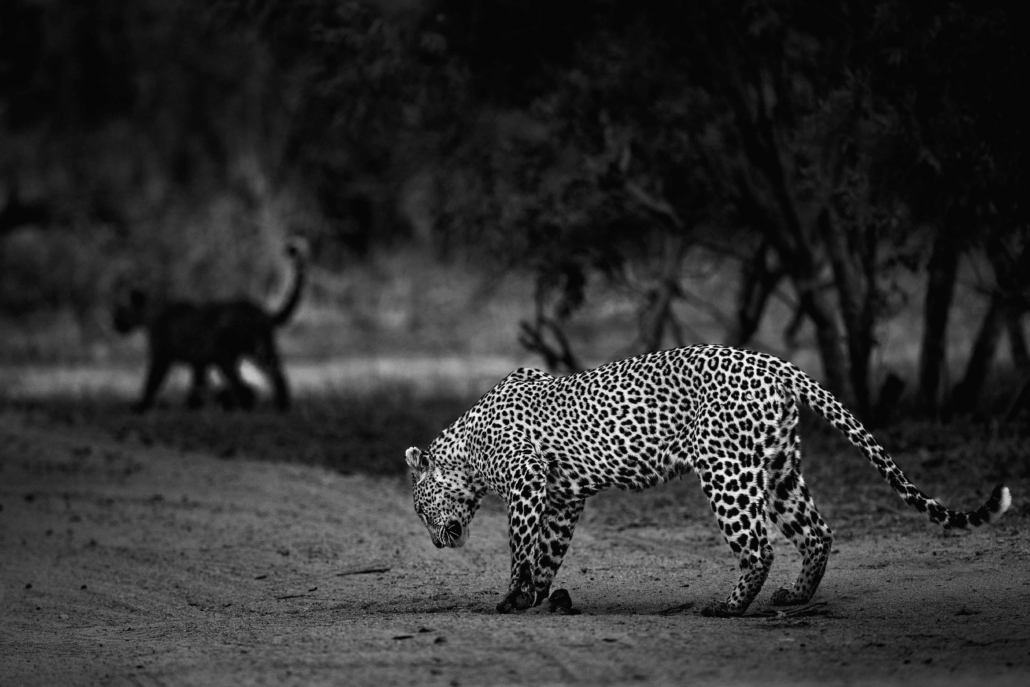
Sabi Sand – Leopard Capital
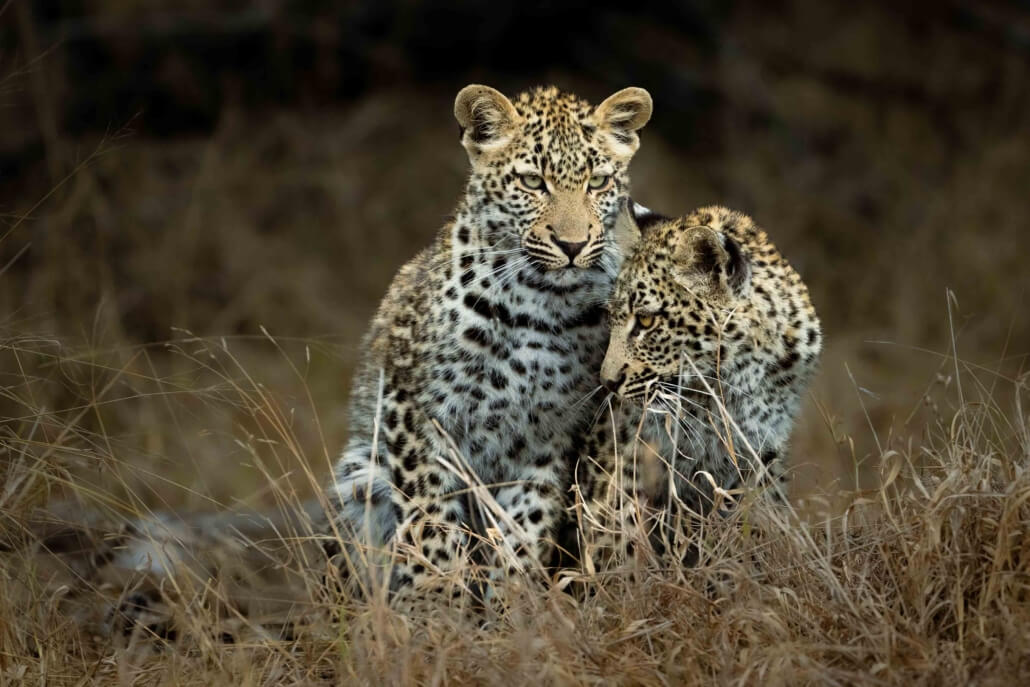
Leopards are, by nature, shy and elusive and can disappear almost completely into their surroundings. During nearly five years working in Kruger National Park, I quickly learned that a leopard is never guaranteed on safari, and there were times when we could go several days without seeing one. This is what makes the Sabi Sand so remarkable. Rather than relying solely on observations, we decided to look at the data from our own Big Cat Photo Safaris and let the numbers tell the story.
Since first operating in the Sabi Sand in 2017, the reserve has become a fundamental part of Rhulani Photo & Film. We host the majority of our South African photographic safaris at Elephant Plains Game Lodge, allowing us to spend significant amounts of time in the reserve across different seasons (May – October). Until recently, our Big Cat Photo Safaris were four-night experiences, but in 2026, we extended these to six nights. For consistency, we have therefore used our 2025 data for this analysis. During 2025, we hosted seven Big Cat Photo Safaris at Elephant Plains, totaling 28 nights and 56 game drives.
Across the duration of 56 game drives, our guests experienced:
- 11 different individual leopards.
- 64 leopard sightings.
- 27 lion sightings.
- >5 cheetah sightings (data was not fully collected).
- >12 wild dog sightings (data was not fully collected).
The leopard figures are particularly remarkable. Across 56 game drives, our guests encountered 11 individual leopards on 64 occasions, averaging more than one leopard sighting per game drive. Of course, not every encounter was a once-in-a-lifetime photographic opportunity. Some leopards were deep in cover, others disappeared almost as quickly as they appeared, and some were simply seen crossing the road on the way back to camp. But for a photographer, opportunity is everything. You cannot capture the perfect leopard photograph if the leopard isn’t there. This is where the Sabi Sand separates itself from many other safari destinations. The combination of leopard density, suitable habitat, experienced guides, traversing systems and the remarkable tolerance of wildlife towards vehicles creates an environment where photographers have an exceptional chance of encountering these elusive cats.
If you are travelling to South Africa with the intention of photographing a leopard, there are no places we would recommend above the Sabi Sand.
Lion Pridelands
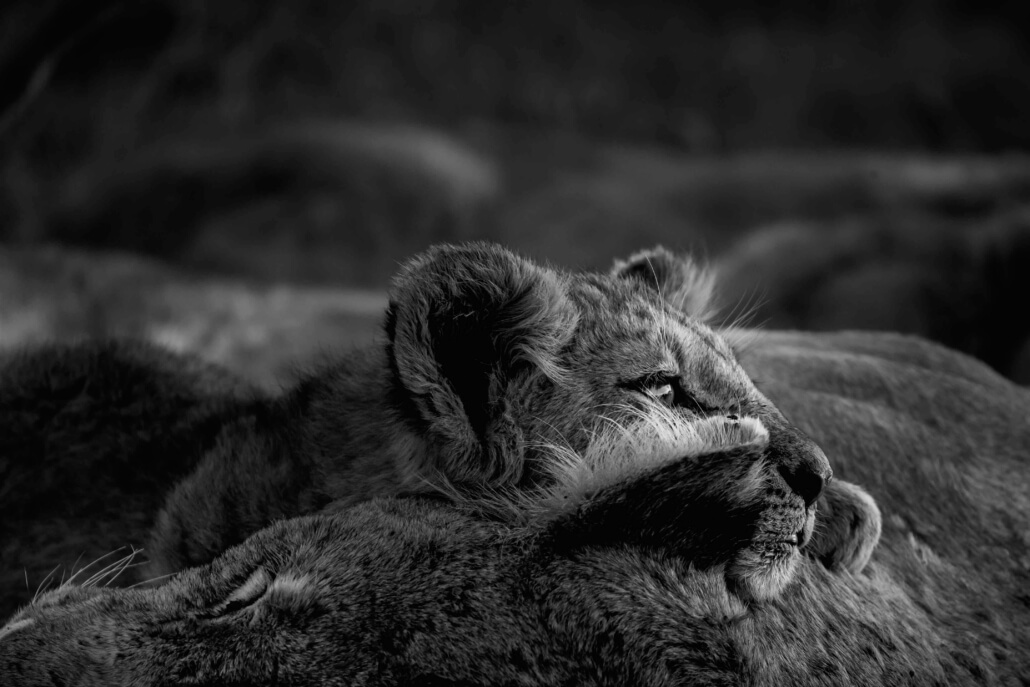
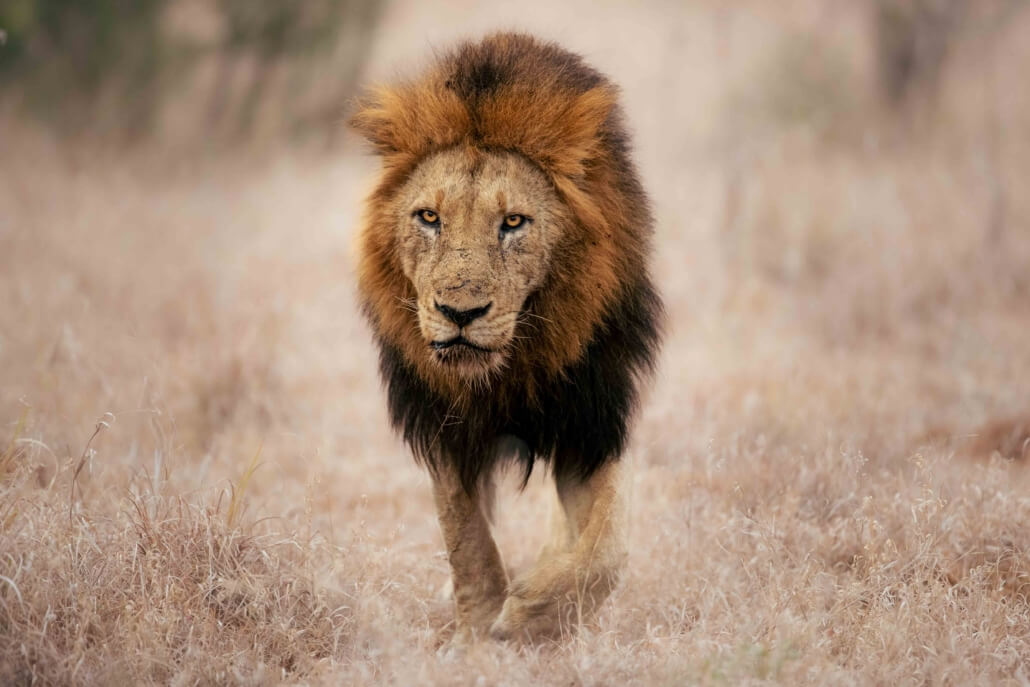
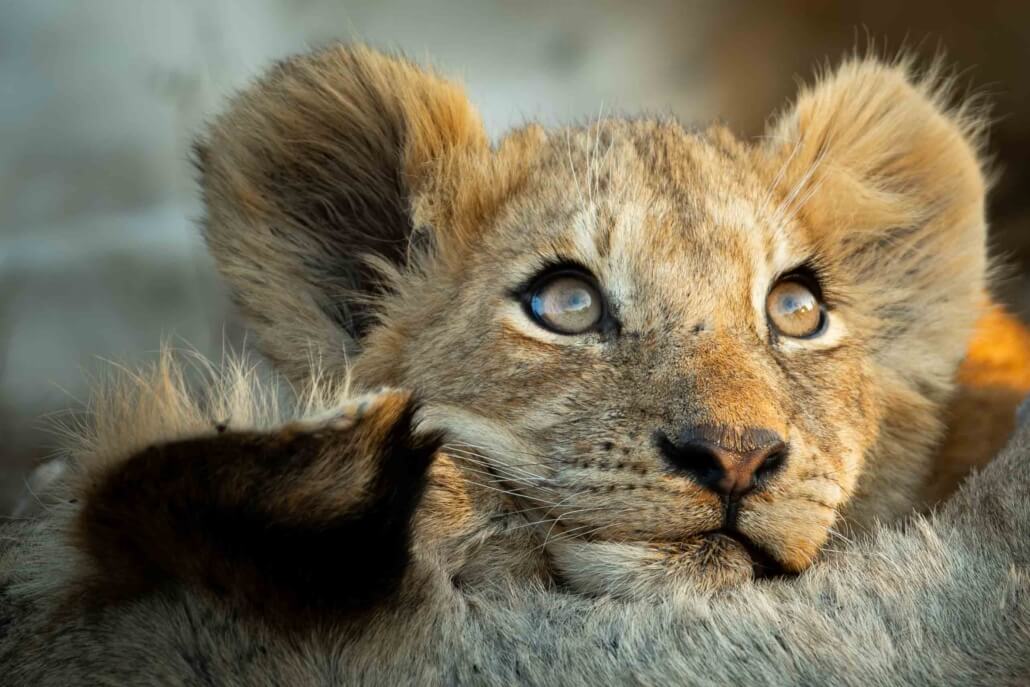
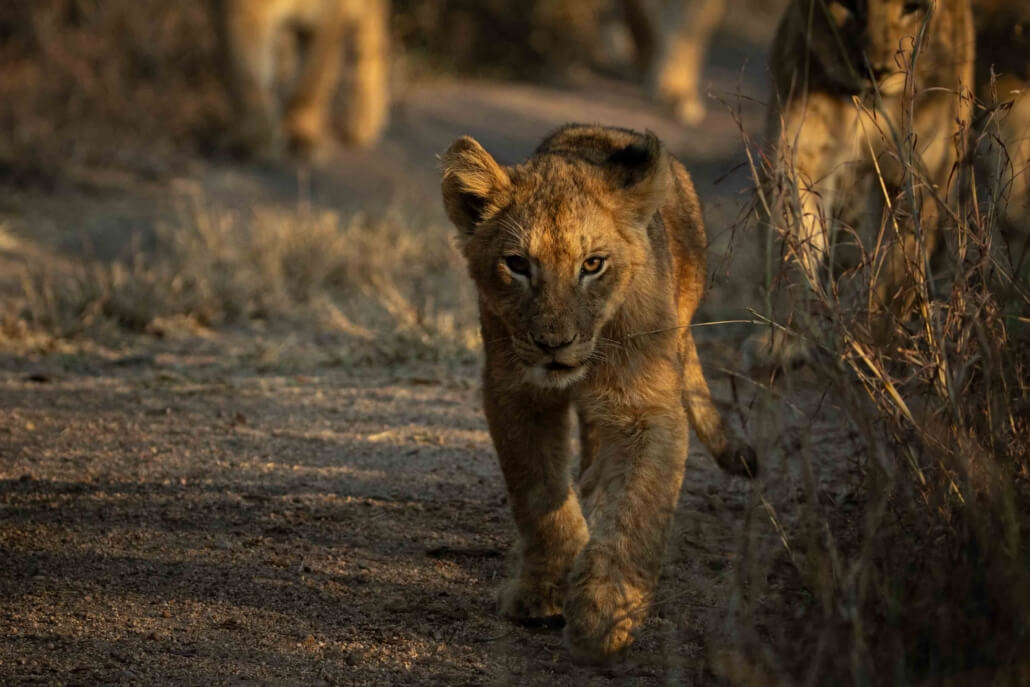
Lions are social animals and, unlike leopards, tend to be far more visible across Africa. In some areas, such as parts of the Tuli Block in Botswana, lions can be extremely skittish and may retreat from an approaching vehicle due to current hunting grounds, poaching and poisoning. In the Sabi Sand, however, lions are generally relaxed and comfortable around vehicles, making them excellent subjects for wildlife photographers. Lion sightings do fluctuate considerably and although they are generally considered common on safari, we have experienced photographic safaris where guests had only a single lion sighting. This is unusual, but compared with the remarkable frequency of leopard sightings, lions are not always encountered quite as consistently.
A Constantly Changing Dynamic
Lion populations are constantly changing, prides grow, contract and split, with smaller groups often breaking away to establish new territories. Male lions add another layer of complexity where coalitions can control territories occupied by several different prides. One coalition can be in charge up to several different prides. When new males arrive, the balance can change dramatically. On several occasions, we have witnessed nomadic males move into established territories, kill young cubs and eventually disappear again. Few examples demonstrate this brutal dynamic better than the legendary Mapogo lion coalition.
In 2006, six males – Makhulu, Rasta, Pretty Boy, Kinky Tail, Dreadlocks and Mr T – came to dominate nearly the entirety of the Sabi Sand. Their story became legendary and eventually inspired the documentary series Brothers in Blood: Lions of the Sabi Sand. But their reign could not last forever. As the coalition aged, territorial pressures and the struggle for power eventually split the group. Two brothers established themselves in the east, while the remaining four occupied the western section.
Then came the Majingilane coalition from Kruger National Park. By around 2012, the Majingilane had displaced the remaining Mapogo males and claimed much of their former territory. The story is a powerful reminder that lion populations are never static. Coalitions rise and fall, prides split and reform, and new males can completely alter the balance of an ecosystem. The stakes are even higher when buffalo is on the menu – as a simple mistake could cost the life of a lion, meaning his pride become instantly vulnerable to other lions prowling in the area. This has been the case in recent years where a powerful coalition was destroyed by a buffalo herd when they killed one of the dominant males.
Despite these fluctuations, lions remain one of the species guests can reasonably expect to encounter during a longer Sabi Sand safari. Our own recent experiences illustrate just how dramatically sightings can vary.
June 2026 Photo Safari
• 1 lion sighting – a male on drive 12 of 12.
August 2026 Photo Safari
• More than 5 lion sightings (males, females and cubs across 12 drives).
The lesson is simple: wildlife is unpredictable. Lions may not be encountered with the same consistency as leopards, but when the stars align, they can provide some of the most spectacular photographic opportunities Africa has to offer.
Quality Over Quantity
For Rhulani Photo & Film, a safari is not about collecting sightings. We believe in quality over quantity. We would much rather spend an hour sitting with one magnificent sighting, watching a story unfold and experimenting with photographic techniques, than chase several different animals simply to increase the number on a scoreboard. This is important when interpreting our data.
On several occasions, we have chosen to remain with a leopard feeding on a carcass, for example, rather than leave to search for another lion, cheetah or wild dog. The result may be fewer sightings recorded on paper, but a far richer wildlife photographic experiences. Although it isn’t always possible, we actively target sightings that offer the greatest photographic potential and this is another reason why the Sabi Sand – South Africa’s Big Cat Paradise is so special for photographers.
Off-Road Tracking
One of the Sabi Sand’s greatest advantages is the ability to leave established roads when following certain species, such as lion and leopard. Unlike national parks, where vehicles must remain on designated roads, this flexibility means an animal doesn’t have to be close to the road for guests to enjoy a front-row seat. Tracking an animal through the bush and carefully positioning the vehicle creates an entirely different safari experience. Of course, this freedom comes with responsibility and maintaining a respectful distance while giving the animal space remains paramount. The goal is never to interfere with its behaviour, but to position ourselves while allowing the wildlife to remain completely natural.
Following the Story
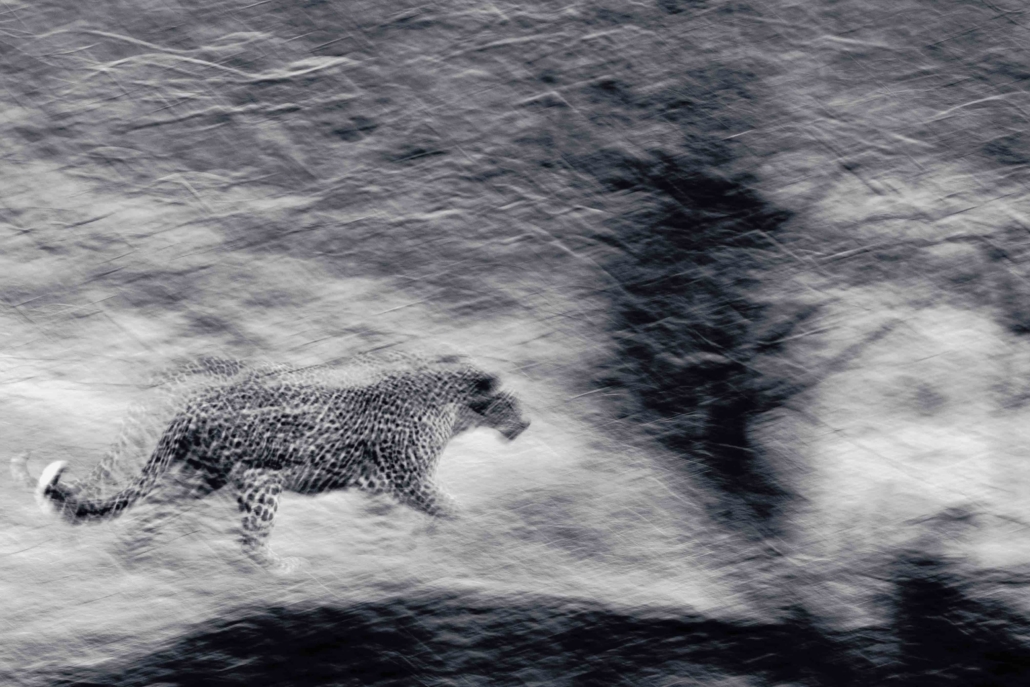
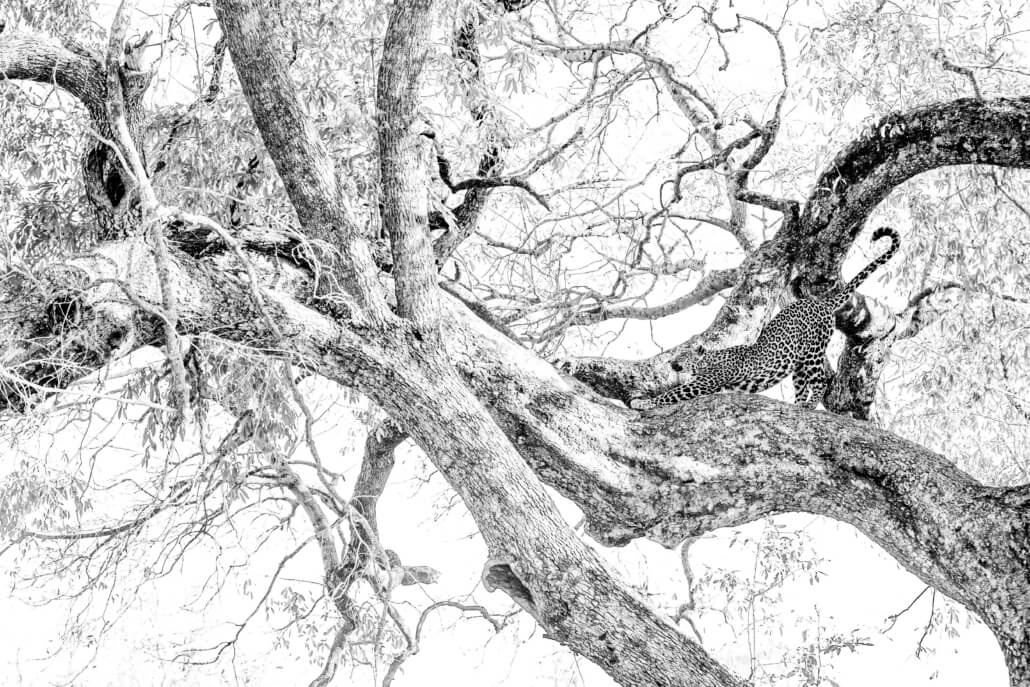
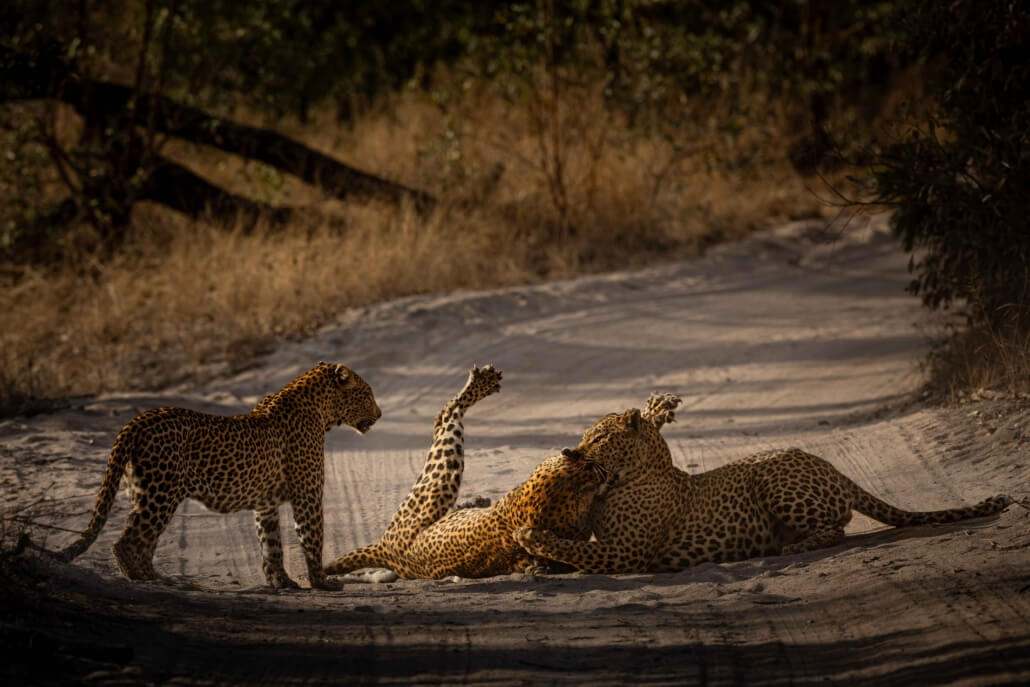
The high density of predators also creates opportunities for dramatic interactions between species, particularly leopard and hyena. More importantly, the ability to follow an animal for an extended period allows guests to witness behaviour that would otherwise be missed. A leopard may begin by territorial marking, disappear into the grass, climb onto a termite mound or suddenly begin hunting, and by following the individual, guests can document and capture the story. We have followed leopards for prolonged periods, only to eventually watch them climb into a perfectly positioned tree or settle onto a picturesque termite mound which is always rewarding! Of course, sometimes the leopard simply disappears into the grass not to be seen again on that drive. But patience is often rewarded.
The Art of Light
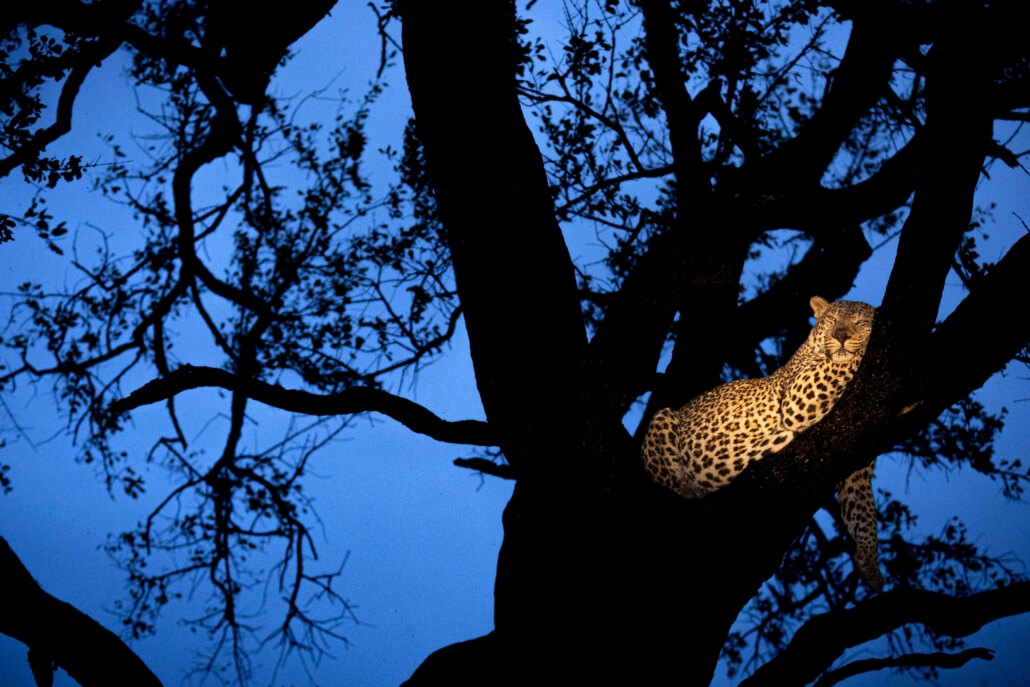
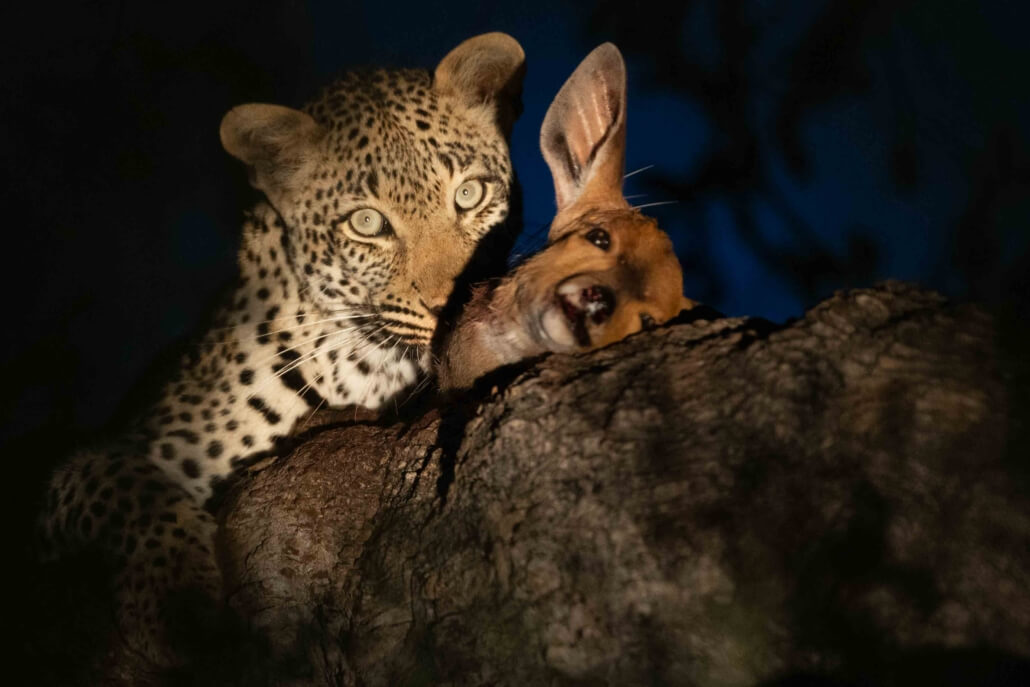
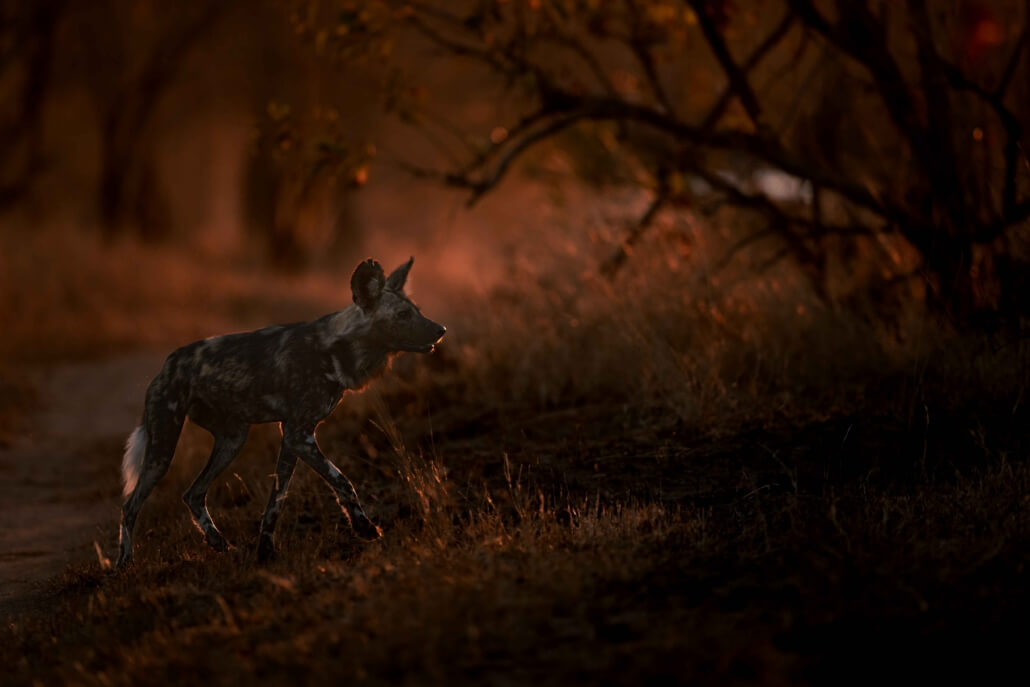
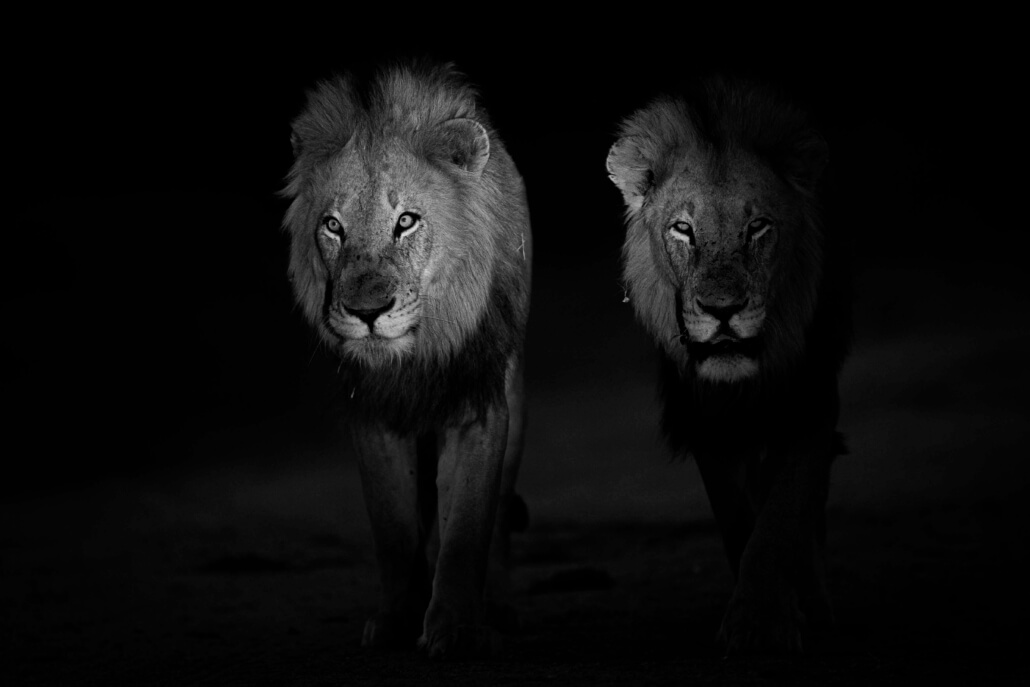
Artificial light adds another dimension to photography in the Sabi Sand. Spotlighting allows photographers to continue working after sunset, opening opportunities that aren’t available in many reserves where strict gate times require vehicles to return to camp before dark. The spotlight becomes another creative tool, allowing photographers to experiment with contrast, shadow and direction of light. With careful positioning, another vehicle can sometimes provide side-light or back-light, creating an entirely different atmosphere. A leopard emerging from darkness beneath a spotlight can produce an image dramatically different from a traditional daylight photograph. This is where the Sabi Sand really comes into its own. It isn’t simply about finding the animal, it is about finding the light, understanding the behaviour and waiting for the moment.
The Cons
As with everything in life, there are compromises. The regulations and traversing system that help protect the Sabi Sand can occasionally work against us as photographers. An animal may cross into an area where we cannot follow it, despite being only a few hundred metres away. Similarly, time at certain sightings can be limited. A maximum of three vehicles per sighting is implemented to prevent congestion, while game viewing at a sighting is often limited to approximately 15–20 minutes, depending on the circumstances and demand. It can be frustrating, particularly when an exceptional sighting has just begun, but these rules exist for a reason – they help prevent the mass congregation of vehicles and ensure that wildlife is not overwhelmed by human activity. Sometimes the regulations work in your favour; sometimes they don’t.
When responding to sightings, we therefore try to prioritise situations where we believe we can spend meaningful time with an animal. On several occasions during our recent safaris, we have enjoyed more than an hour with a single sighting, simply because there was lots happening elsewhere and the vehicles had choice of sightings. The other major limitation is game-drive duration with standard drives being generally around three hours in the morning and three hours in the afternoon/evening. As photographers, we often find ourselves wishing for more time. Some private reserves, including MalaMala, Londolozi and Singita, offer longer game-drive hours and fewer restrictions around sightings, however, that level of exclusivity comes at a significantly higher price.
For decades, the Sabi Sand has helped set the benchmark for balancing wildlife conservation with exceptional guest experiences. Some of its regulations may occasionally feel restrictive, particularly when you’re watching an extraordinary animal and the clock is running. But ultimately, these rules form part of the reason the system works. They create a safer, calmer environment for wildlife and provide a framework within which guides, photographers and conservation teams can work responsibly. The restrictions may sometimes frustrate us, but they are also part of what makes the Sabi Sand what it is.
The Sabi Sand – South Africa’s Big Cat Paradise
You don’t come to the Sabi Sand simply to see a leopard, you come to witness something that stays with you long after you leave.
A leopard stalking silently through the grass. A lion roaring beneath the African night sky. A mother watching over her cubs. A fleeting moment between predator and prey. These are the moments that make Africa extraordinary, and as a photographer, you don’t orchestrate them, you simply have the privilege of being there to capture what unfolds in front of you.
Article by Armand Grobler – Director of Rhulani Photo and Film

 Proudly Partnered with South Africa’s Premier Wildlife and Boutique Styled Coffee-Table Book Publishers.
 Rhulani Photo and Film
  Armand Grobler