
African Photo Safari – Wildlife Photography as Storytelling
The Story of Safari.
What is an African Photo Safari and how does it differ from the traditional experience?
Long before cameras became as much a part of the African wilderness as binoculars and field guides, the word safari simply meant “journey.” Derived from the Swahili language, it described an expedition into the unknown – a voyage of discovery across some of the world’s last great wild places. Over time, the meaning evolved and what began as exploration and hunting, eventually became eco-tourism, inviting travellers from around the globe to witness Africa’s extraordinary wildlife in a safe and conservative manner. Today, the safari industry continues to evolve once more. While many visitors seek the thrill of encountering elephants, lions and leopards in their natural habitat, others are searching for something deeper: the opportunity to slow down, observe, understand, and tell the stories unfolding before them. This evolution has given rise to the photographic safari – a journey where the moments you take home are captured not only in memory, but are transformed into a tangible moment to be shared with others.
What began as a traditional safari experience has, over time, evolved into what is now widely known as a photographic safari, or simply, a photo safari. As wildlife photography has grown in popularity, specialist photographic safari companies have emerged across Africa and beyond, guiding enthusiasts into some of the planet’s most remote and spectacular wilderness areas. Driven by the pursuit of that one unforgettable image, photographers are travelling further than ever before in search of extraordinary wildlife encounters.
At the same time, camera technology has advanced at a remarkable pace. Manufacturers continue to push the boundaries of innovation, developing faster, sharper and more capable equipment that was once reserved for professionals but is now accessible to photographers of all skill levels. These technological advances, combined with a growing appreciation for nature and conservation, have transformed the way many people choose to experience Africa’s wild places.
This is the story of safari, and how the modern photographic safari differs from its traditional counterpart.
Experience vs. Exploration.
The greatest difference between an Africa photo safari and a traditional counterpart lies in the experience itself. While both offer unforgettable encounters with Africa’s wildlife, their objectives are fundamentally different.
A traditional safari is often centred around exploration and variety. The goal is to discover as many species as possible, covering a greater area in the hope of providing guests with a broad and memorable introduction to the African bush. During my time working in the Kruger National Park, I found that many guides shared a similar philosophy: once guests had enjoyed a good sighting of a particular species, there was little reason to seek out another. Instead, the focus shifted to finding something different, ensuring visitors returned home having experienced the greatest possible diversity of wildlife.
A photographic safari, however, is built around immersion rather than movement. Instead of asking, “What can we see next?” the question becomes, “What story is about to unfold?”
The emphasis shifts from quantity to quality. Rather than rushing between sightings, photographers are encouraged to remain with an animal, patiently waiting for the right light, behaviour, interaction or composition. Often, the most rewarding moments happen long after the initial excitement of the sighting has passed.
On one of our Big Cat Photographic Safaris, for example, we may have already photographed seven different leopards during the week. Yet if every one of those leopards had been resting on the ground, our search would continue – not because we wanted another leopard, but because we were looking for a different story. A leopard draped over the branch of a marula tree, framed by golden morning light, offers a completely different photographic opportunity and experience.
Time becomes one of the most valuable ingredients on a photographic safari. We often spend extended periods with a single animal, only moving on when the sighting naturally comes to an end or another exceptional opportunity presents itself. Many of our guests will tell you that it is during these unhurried hours – when patience replaces urgency – that Africa reveals its most magical moments.

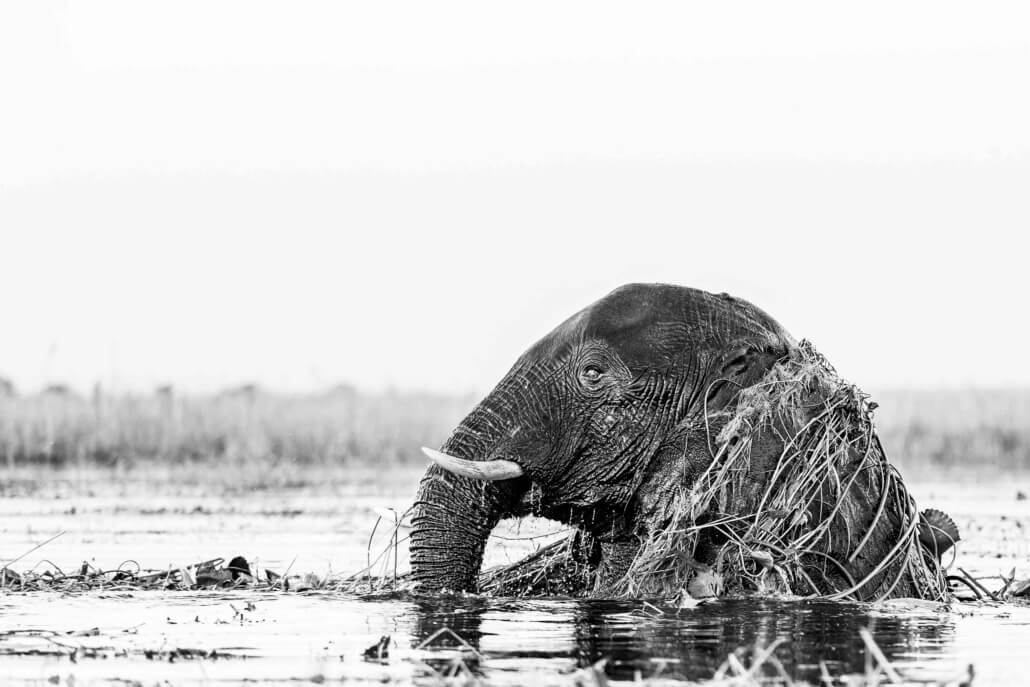
Photo Safari Exclusivity.
African photo safaris generally come at a higher price than traditional safaris, but the difference extends far beyond photography itself. It is an investment in a more personalised, immersive and specialised experience.
One of the biggest factors is exclusivity. Unlike traditional safari vehicles, which often accommodate eight to eleven guests, photographic safaris typically limit numbers to just four or six photographers in a nine-seater vehicle. This ensures that every guest enjoys a window seat with additional space for camera equipment, allowing the freedom to move comfortably without disturbing fellow photographers.
Another significant advantage is the presence of a professional wildlife photographer. Rather than simply accompanying the safari, your host becomes both mentor and educator, offering guidance on camera settings and any issues, composition, light, wildlife behaviour and post-processing throughout the journey. Whether you are picking up a camera for the first time or refining advanced techniques, having an experienced photographer alongside you dramatically enhances the learning experience.
Equally important is the close collaboration between the photographic host and the safari guide. Together, they work as a team, combining an understanding of wildlife behaviour with the technical requirements of photography. This allows the vehicle to be positioned not only for the best photographic opportunities, but always with the welfare of the animals and the safety of guests as the highest priority.
A professional wildlife photographer with a sound understanding of animal behaviour also brings another valuable perspective. Interpreting subtle behavioural cues can often mean the difference between anticipating a remarkable wildlife encounter and simply reacting to it. A leopard moving quickly through the bush, for example, may appear to be stalking prey, when in reality it is retreating from a pursuing lion. Reading these subtle signs allows the guide and photographer to make informed decisions about where to position the vehicle, increasing the chances of witnessing natural behaviour while remaining respectful of the animals.
One encounter from 2025 perfectly illustrates the value of this partnership. During a photographic safari, we witnessed an extraordinarily rare interaction involving two dominant territorial leopards – a male and a female – confronting an intruding male. The resident female had tiny cubs hidden nearby and was fiercely protecting her offspring, while the dominant male was determined to eliminate a rival from his territory. What unfolded was one of the most intense leopard interactions I have ever witnessed.
Throughout the encounter, constant communication between the guide and photographer was essential. We needed to understand the animals’ behaviour, anticipate their movements, position the vehicle responsibly, and ensure that our presence had as little impact as possible on the unfolding events. The result was a harsh reminder of the realities of life in the wild, but also a once-in-a-lifetime sighting that rewarded our guests with unforgettable memories and extraordinary photographs.
It is moments like these that define a photographic safari. Beyond the images, they offer a deeper understanding of wildlife, the privilege of observing natural behaviour unfold, and the opportunity to experience Africa with patience, purpose and respect.
Purpose-Driven Photography.
At Rhulani Photo & Film, we believe that and African photo safari should be about more than simply collecting beautiful images and that every safari should have a purpose – every photograph should contribute to something meaningful.
Our guests often remark that one of the greatest differences about travelling with Rhulani is that we encourage them to think beyond the next sighting or the next social media post. As a company, we are constantly immersed in creative productions ourselves – whether it’s a coffee table book, a documentary, a conservation project, or a cinematic short film. We spend countless hours in the field working towards a vision, and that mindset naturally influences the way we photograph and teach our guests.
Rather than simply chasing another “perfect” image, we encourage our guests to create something that will outlive the safari itself. Perhaps it’s a beautifully printed coffee table book, a personal exhibition, a short documentary of their journey, or a carefully curated portfolio for a photographic competition. Working towards a meaningful goal transforms the way you approach every safari and every game drive.
In today’s world, many photographers shoot with the sole intention of sharing their work on social media. While there is certainly value in sharing your experiences, the pursuit of likes and followers rarely provides lasting fulfilment. Social media rewards immediacy and trends, not necessarily craftsmanship, patience, or storytelling.
Instead, we encourage our guests to create something they can genuinely be proud of. There is something timeless about holding a beautifully printed photograph, turning the pages of a book you created, hanging a favourite image on your wall, or receiving recognition in a respected photography competition. These achievements endure long after the excitement of an online post has faded.
We believe that photography becomes infinitely more rewarding when it is driven by purpose. Suddenly, every early morning wake-up, every kilometre travelled, every financial investment, and every ounce of patience becomes part of a much larger journey. Purpose gives your work meaning, and meaning fuels continual growth.
Consider the process of creating a coffee table book where variety becomes essential. Instead of photographing the same iconic leopard portrait on every safari, you begin thinking differently. You seek variety in landscapes, behaviour, intimate details, environmental portraits, dramatic light, and lesser-known species. You experiment with different focal lengths, equipment, compositions, perspectives, and storytelling techniques. Your photography evolves because your vision has expanded.
We regularly see this transformation in guests who return to Africa while working on a personal project. They are no longer searching for photographs they have already captured – they are searching for moments they have never seen before. Creativity replaces repetition and curiosity replaces routine. Every safari becomes another chapter in a much larger story.
That is the essence of purpose-driven photography. The journey doesn’t end when the vehicle returns to camp or when the memory cards are downloaded. Every expedition becomes another opportunity to build upon your vision, refine your craft, and continue telling your story.
At Rhulani Photo & Film, we believe the most rewarding photographs are not simply the ones that receive the most attention – they are the ones that become part of something greater.
We call this the art of storytelling.
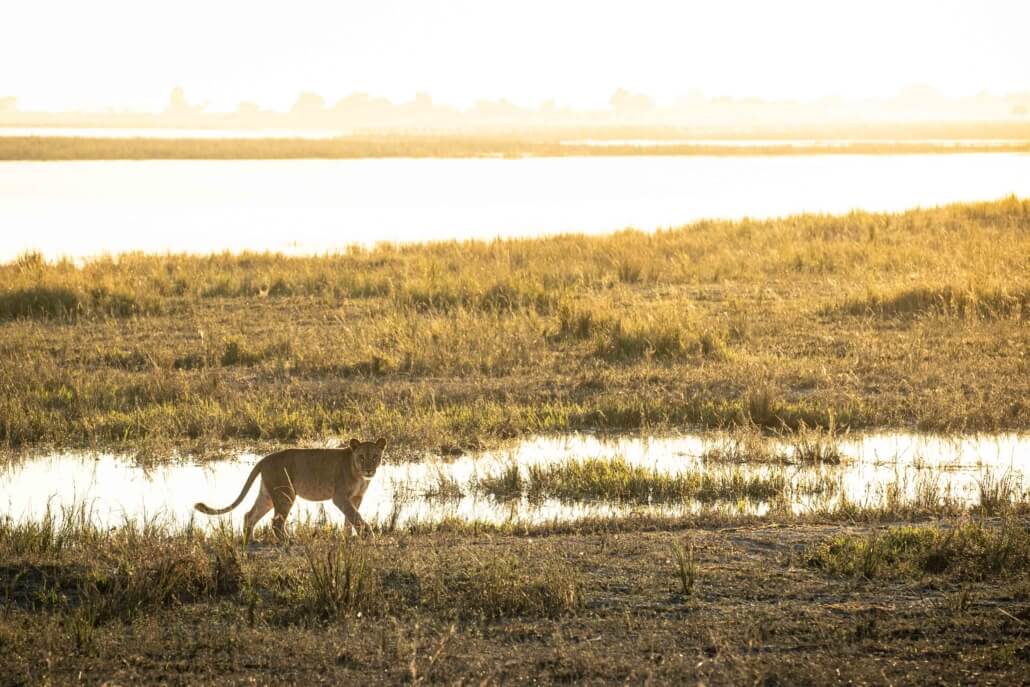
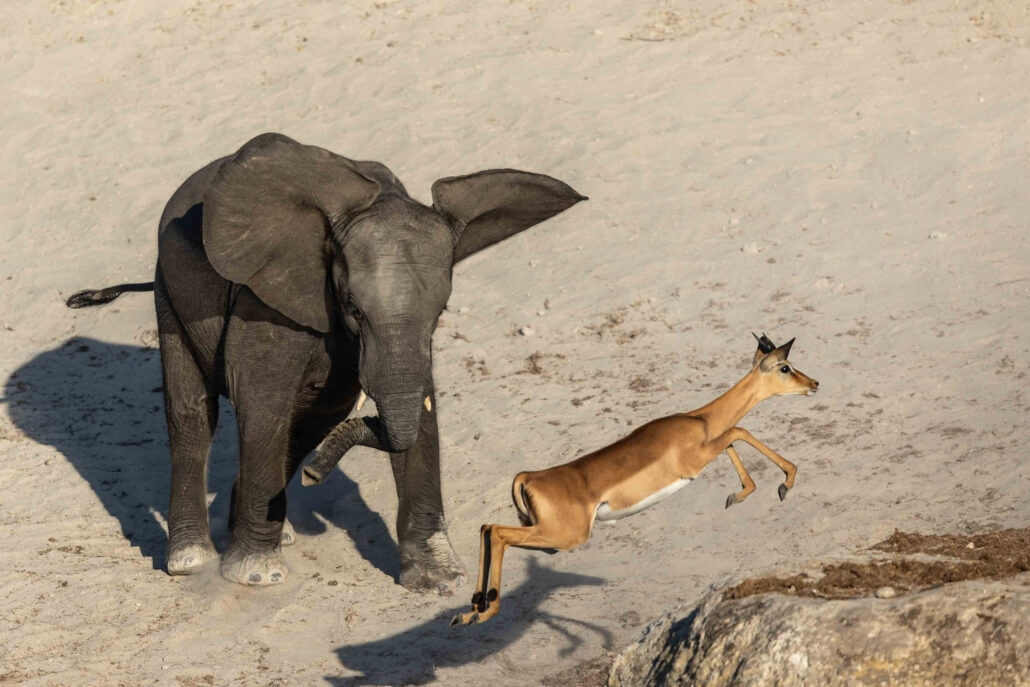
Who Are Photo Safaris For?
One of the questions we are asked most often is whether you can enjoy a photographic safari without owning a camera. The answer is surprisingly simple. Absolutely.
While photography is naturally at the heart of the experience, a photographic safari is about far more than the equipment you carry. It is about slowing down, becoming immersed in nature, and allowing the wilderness to reveal its stories at its own pace.
If you have a passion for wildlife and enjoy observing animal behaviour, chances are you will love the photographic safari experience. Even if the technical aspects of photography – such as camera settings, lenses, or editing – hold little interest, you’ll still benefit from the philosophy behind a photographic safari.
Instead of rushing from one sighting to the next, photographic safaris encourage patience. We spend more time with wildlife, allowing behaviours to develop naturally and giving guests the opportunity to witness moments that are often missed on traditional game drives. Sometimes the greatest reward comes not from what you photograph, but from what you experience while simply watching.
Guests also benefit from expert guidance, learning to anticipate animal behaviour, recognise changing light, improve their observation skills, and better understand the subtle details that make every encounter unique. These are valuable skills that enhance any safari, whether you choose to capture the moment through a camera or simply through your own eyes.
Ultimately, photographic safaris are for anyone who values quality over quantity, patience over haste, and meaningful wildlife encounters over ticking species off a checklist. Whether you leave with thousands of photographs or simply unforgettable memories, the experience remains every bit as rewarding.
An African Photo Safari: Wildlife Photography as Storytelling.
At its heart, modern wildlife photography is the art of storytelling. It is not simply about documenting what you saw, but about expressing how you experienced it. Every photograph reflects a moment, an emotion, and a unique perspective that belongs entirely to the person behind the camera.
An African photo safari invites you to experience the wilderness differently. It encourages you to slow down, become immersed in the rhythm of nature, and embrace the raw beauty of Africa’s wild places. Rather than simply observing wildlife, you become part of the story as it unfolds before you.
The photographs you return home with become far more than souvenirs. They become a visual record of your journey, preserving the encounters, emotions, and memories that words alone could never fully capture. Every image contributes to a story that is uniquely your own.
Whether your goal is to create a coffee table book, build a meaningful portfolio, document a personal adventure, or simply reconnect with nature, a photographic safari gives purpose to every moment spent in the field.
Experience an African photo safari and discover the magic, mystery, and wonder of one of the world’s most rewarding wildlife adventures. Because in the end, your greatest photograph is not always the most spectacular image – it is the photograph that tells your story.
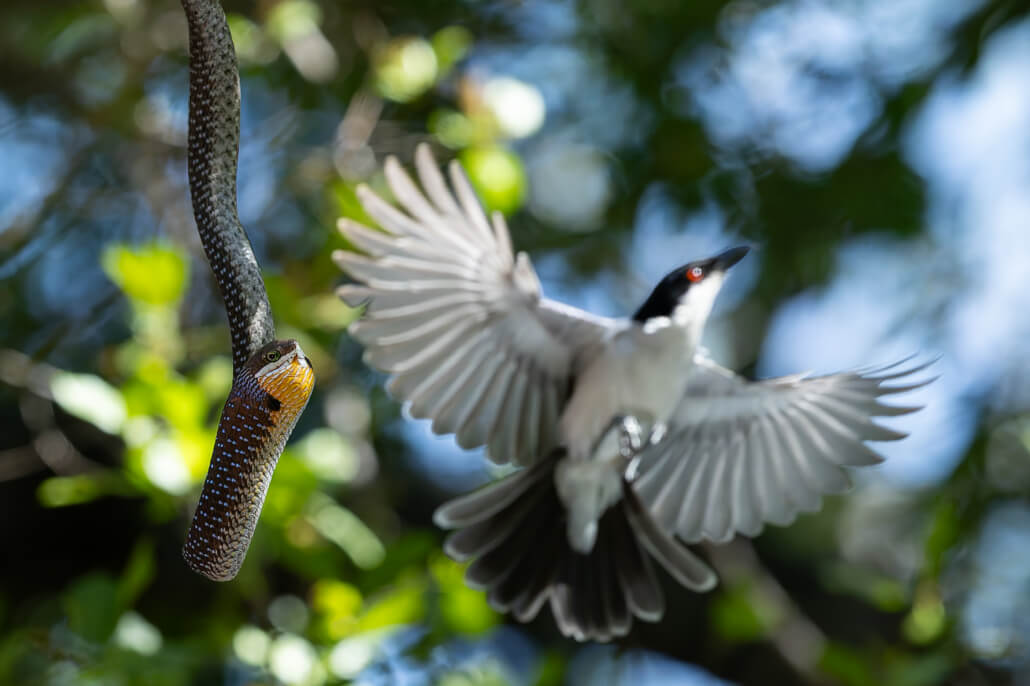
Article written by Armand Grobler, Director and Co-Owner of Rhulani Photo and Film.

 Proudly Partnered with South Africa’s Premier Wildlife and Boutique Styled Coffee-Table Book Publishers.

 Rhulani Photo and Film