
How to Plan an African Safari
A photographic safari begins long before your feet touch African soil and how to plan an African safari is all about asking the right questions. The more you understand about the wildlife, photography, equipment and rhythm of life in the bush, the richer your experience will become. We’ve created this resource to help you best prepare for your African photographic safari adventure.
Below are short question-answer responses to some of the most important elements of traveling to Africa. These are things to learn before you go on your first safari in order to make your experience as pleasant, comfortable, education and fun as possible.
How to Plan an African Safari
Planning an African safari is one of the most exciting parts of the journey. The more time you invest in researching your destination, the more rewarding your experience will be once you arrive.
Every region in Africa offers something unique, so it’s important to choose a destination that matches your interests. After all, you wouldn’t travel to Cape Town to see the Big Five, or head to Kruger National Park hoping to watch dolphins. Understanding what each destination has to offer is the foundation of successful African safari planning.
Why Choose a Photo Safari?
We’ve explored this topic in greater detail in our blog: Photo Safari vs. Traditional Safari (click here to read blog)
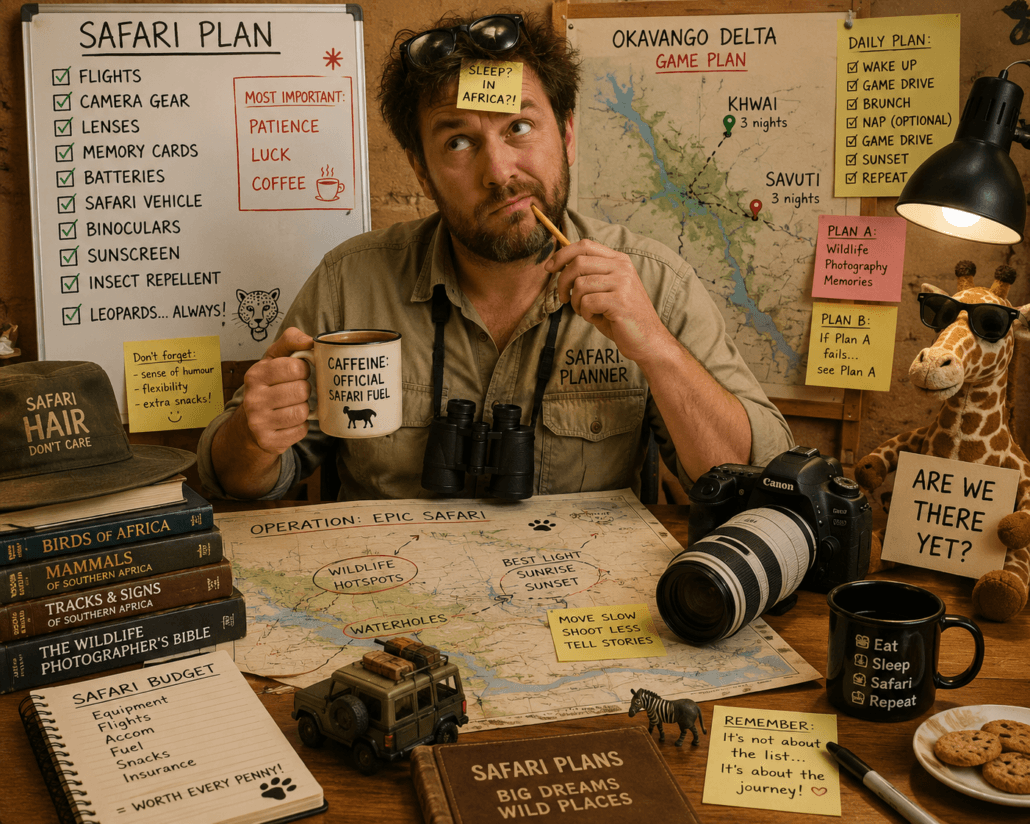
Image AI generated for use as an example.
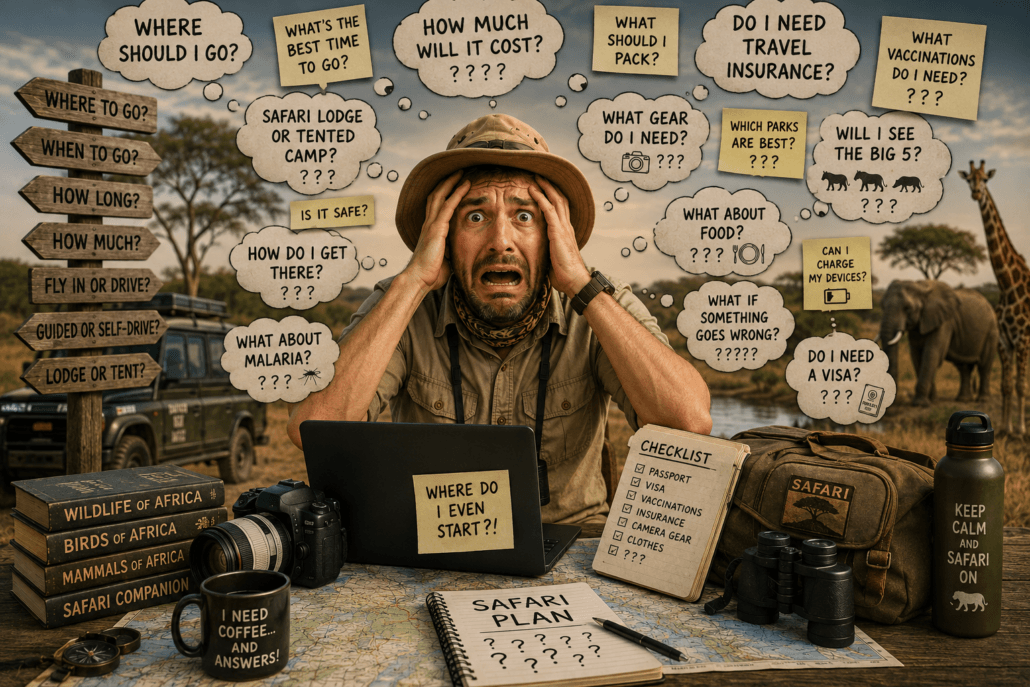
Image AI generated for use as an example.
Choosing the Right Safari
No two safaris are the same. Before booking, consider what matters most to you:
- Your focus species (big cats, elephants, birds, marine wildlife, etc.)
- Your preferred accommodation (luxury lodge or authentic tented camp)
- The time of year and weather conditions
- A dedicated wildlife photography safari or a traditional safari experience
These decisions form the backbone of your safari planning guide and will help you choose an experience that’s perfectly suited to your interests.
Best Time to Visit Africa for Safari
One of the most important aspects of planning an African safari is choosing the right season.
For most travellers, the dry season (May–October) offers the best safari experience. Wildlife is easier to find, vegetation is less dense (later on in the dry season), and comfortable weather makes long days in the field far more enjoyable.
As most game drives take place in open safari vehicles, we generally discourage travel during the rainy season (late November – April), when frequent rain and storms can affect wildlife viewing, photography and comfort.
Seasonal Highlights
- May – August: Cool mornings and evenings, with lush vegetation gradually drying as winter progresses.
- September – October: Our favourite months. Warm temperatures, sparse vegetation, and wildlife gathering around permanent water sources create exceptional photographic opportunities – particularly common on our Okavango Delta Photo Safaris which are specifically designed for this interaction.
- November – April: Although less predictable for traditional safaris, destinations such as the Kalahari can offer dramatic skies, spectacular thunderstorms, and outstanding landscape photography.
How to Choose the Right Safari Lodge
Choosing the right lodge can have a significant impact on your safari. Look beyond luxury alone and consider the location, quality of guiding, wildlife density, photographic potential, and guest reviews.
At Rhulani Photo & Film, every destination is carefully selected to provide exceptional wildlife encounters, outstanding photographic opportunities, experienced guiding, and a comfortable safari experience.
Understanding Wildlife Behaviour
One of the best African safari tips we can offer is to learn about the wildlife you hope to see before you travel. Understanding animal behaviour not only improves your safari experience but can dramatically increase your photographic success.
If you’re hoping to photograph a particular species, research when and where it is most likely to be found. For example, bird photographers wanting to see the Woodland Kingfisher in Kruger National Park should visit during the summer months, when this migratory species is present.
At Rhulani Photo & Film, one of the most common questions we receive is when to visit wild dog den sites. While sightings can never be guaranteed, understanding their breeding cycle and seasonal movements allows you to plan your African safari at a time that offers the best possible chance of success.
Learning to read animal behaviour is equally valuable once you’re in the field. A leopard’s posture can reveal whether it’s hunting, patrolling its territory, searching for a mate, or simply resting. Recognising these subtle cues allows you to anticipate the moment before it happens, such as a leopard climbing a tree, a hippo opening its jaws in a dramatic yawn, or a bird launching from its perch (which can take seconds or hours!).
The more you understand your subject, the more rewarding your safari becomes. Not only will you enjoy richer wildlife encounters, but you’ll also come home with stronger, more meaningful photographs.
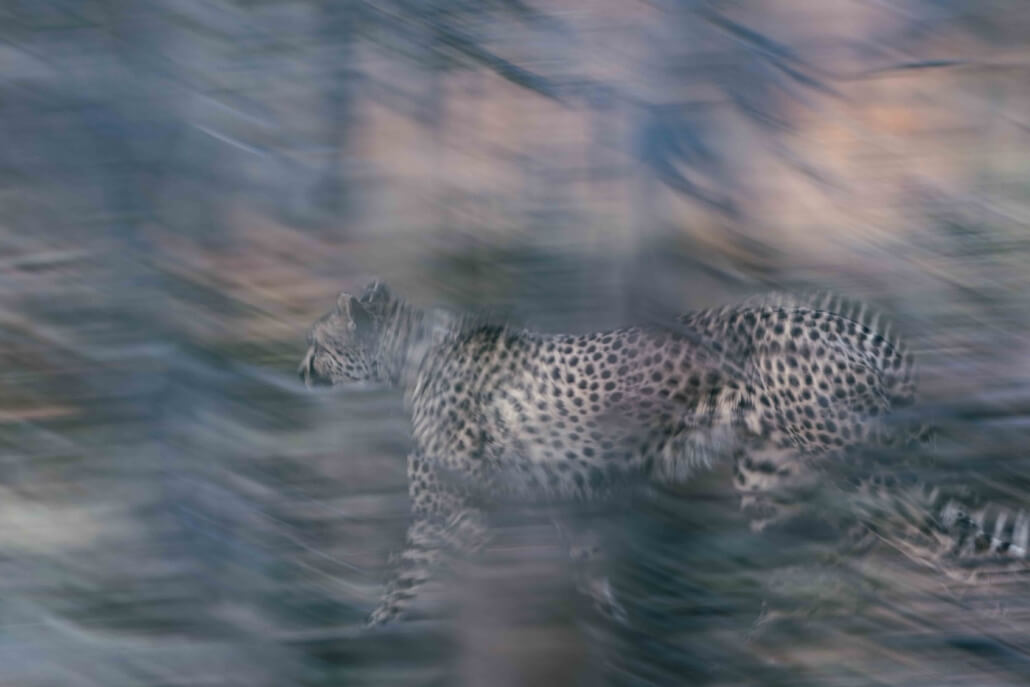
Using creative skills in the art of panning to create something unique.
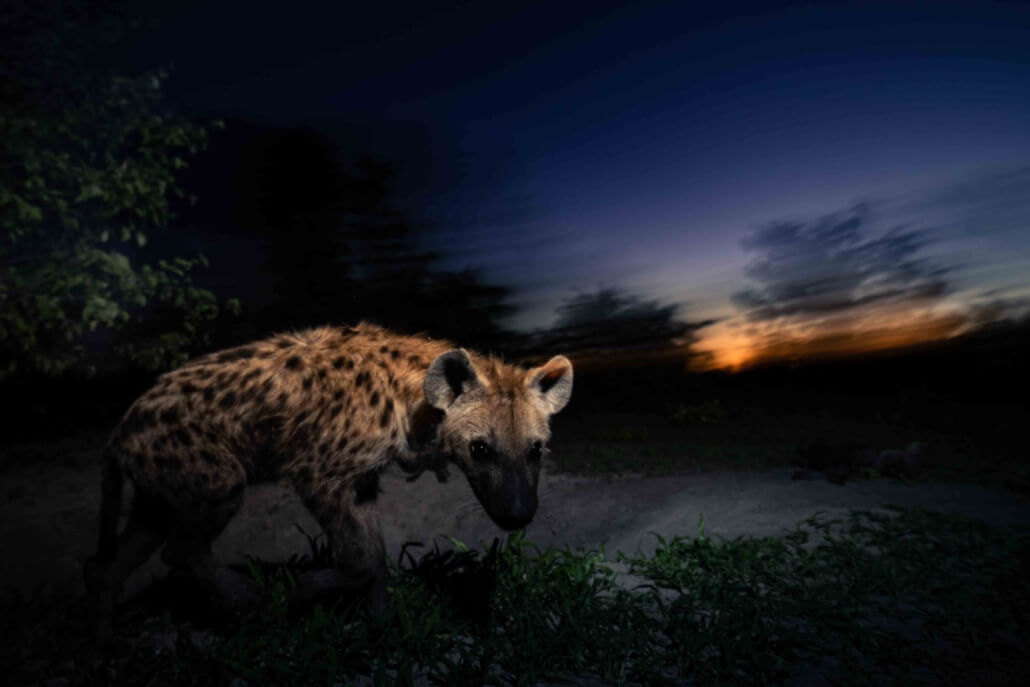
Using flash to light up the subject while correctly exposing for the sky behind.
Choosing the Right Camera Gear for an African Safari
Choosing the right equipment is an important part of planning an African safari. Africa’s landscapes vary enormously, and the gear you pack should reflect both your destination and the wildlife you hope to photograph.
One of the most common questions we receive is, “Which lens should I bring?” The answer depends entirely on the safari you’re joining and the style of photography you enjoy.
Landscape plays a far greater role in wildlife photography than many people realise. A leopard photographed against a dramatic sunset or resting in a beautiful tree often tells a far stronger story than a tightly cropped portrait of a cat in thick vegetation. Choosing the right lens allows you to capture not only the animal, but also the environment that makes the image memorable.
Choosing the Right Lens
Large Telephoto lenses (400–600mm+)
These lenses excel when wildlife is distant or hidden in thick vegetation. They are also invaluable in areas where vehicles must remain on designated roads, such as Kruger National Park, where getting physically closer to wildlife isn’t possible.
Medium telephoto lenses (70–200mm or 200 – 400mm)
These are often the most versatile lenses on safari. They allow you to capture wildlife within its environment while still filling the frame with your subject. They are particularly effective in more open landscapes, such as Botswana’s Savuti region.
Wide-angle lenses (16–35mm)
Don’t leave your wide-angle lens at home. Africa’s sweeping landscapes, dramatic skies, and wildlife in scenic settings often produce some of the most memorable photographs of a safari. A leopard resting in an ancient tree or elephants crossing an open floodplain can be far more powerful when the surrounding landscape becomes part of the story. You may not use this lens often but that one moment you need it, it will be magic!
Know Your Camera Before You Travel
One of the best wildlife photography safari tips is to become familiar with your camera before you leave home. Learning the location of key controls and understanding your camera’s basic functions will allow you to concentrate on wildlife rather than menus when the action unfolds.
If your camera offers Custom Shooting Modes, consider programming them before your trip. We often recommend dedicated settings for fast-moving wildlife, slow shutter panning, and creative flash photography. Having these presets available allows you to adapt instantly as photographic opportunities change.
While your Rhulani Photo & Film host will help you throughout the safari, arriving with a basic understanding of shutter speed, aperture, ISO, and manual exposure will allow you to progress much quicker. Instead of learning your camera from scratch, you’ll spend your time refining your technique, improving your creativity, and making the most of every wildlife encounter.
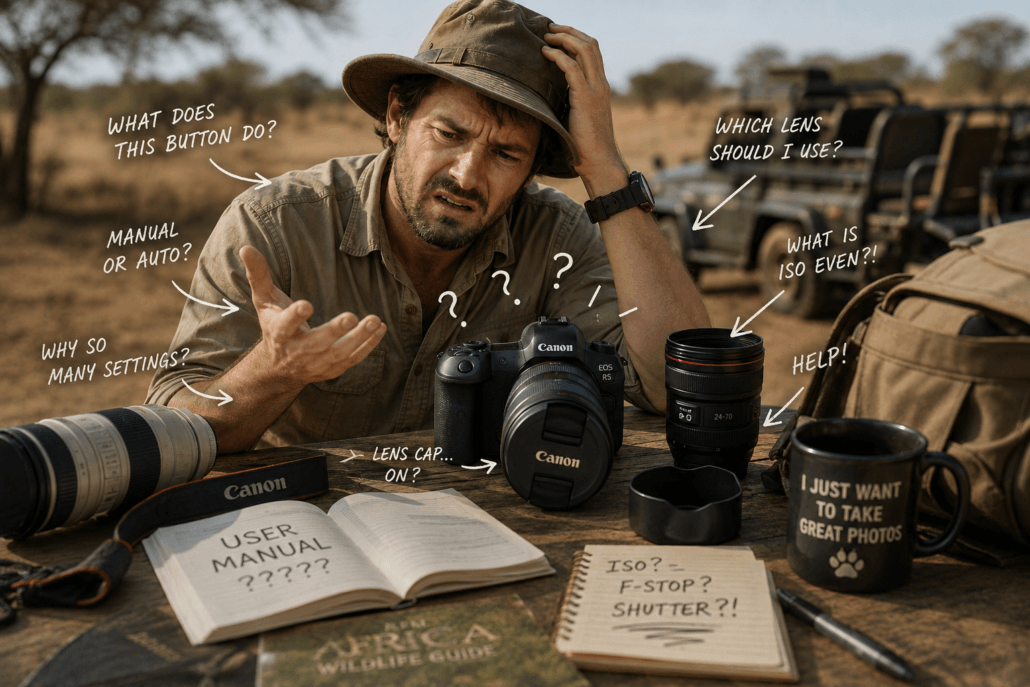
Image AI generated for use as an example.
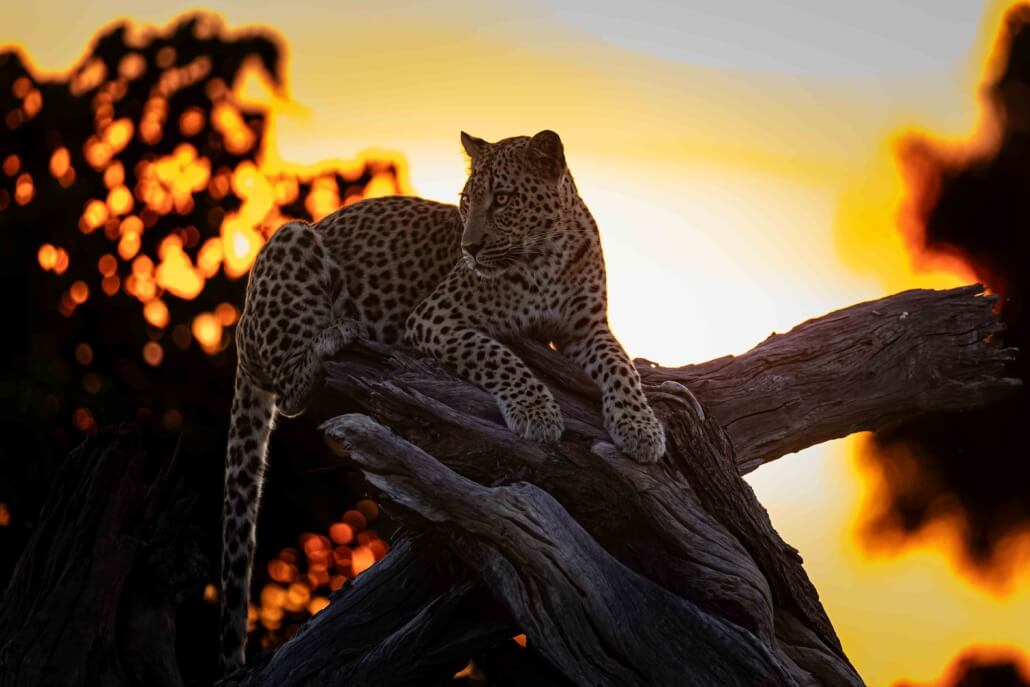
Using a shorter lens to include more of the landscape ‘story.’
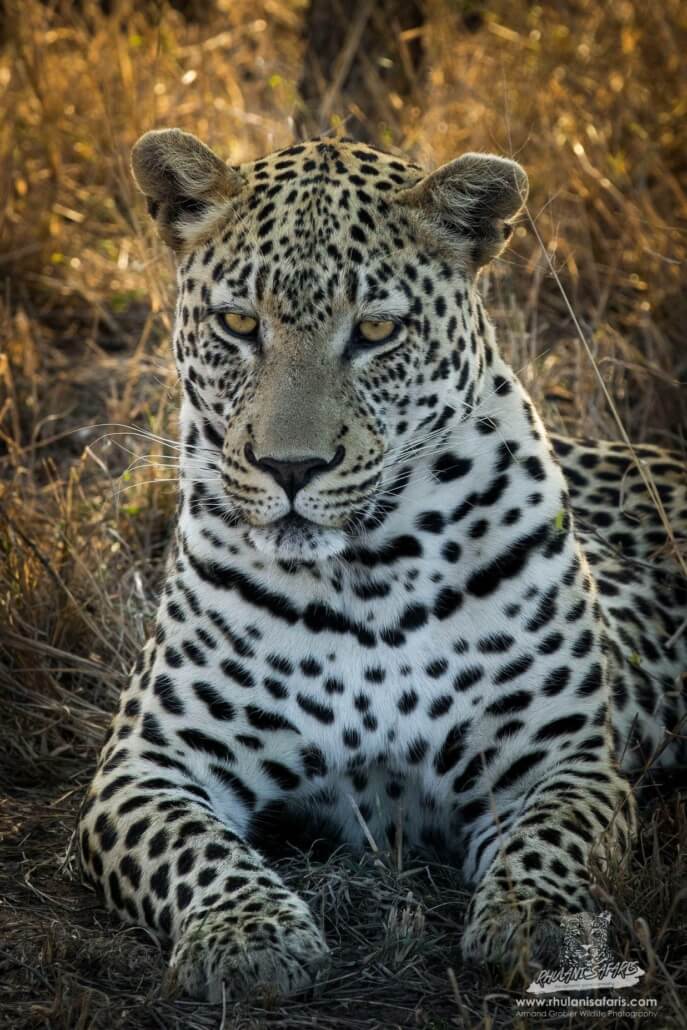
Using a long lens to capture a leopard portrait in dens vegetation.
Safari Etiquette: Respecting Africa, Its Wildlife, and Your Fellow Travellers
Understanding safari etiquette is an important part of planning an African safari. While there are few formal rules, following good safari etiquette ensures a safer, more enjoyable experience for everyone – especially the wildlife.
Dress for Comfort
There is no official safari dress code, but comfort should always come first. Choose lightweight, breathable clothing in natural colours such as olive, khaki, brown, or green. Bright colours and restrictive clothing are best avoided, particularly on walking safaris where many lodges require neutral clothing for both safety and comfort.
Be Patient
Wildlife rarely performs on demand. Some of the most memorable sightings come after long periods of waiting.
On one of our Okavango Delta Photo Safaris, we spent more than an hour watching a pride of lions resting beside the Khwai River. It tested everyone’s patience, but when the lion finally crossed, our guests were rewarded with an unforgettable wildlife encounter and exceptional photographic opportunities. Patience is one of the greatest rewards you can have on safari.
Slow Down and Connect with Nature
A successful safari isn’t measured only by the Big Five. Take time to appreciate the smaller moments – the call of a Woodland Kingfisher, elephants feeding quietly beneath a Leadwood tree, or the scent of rain drifting across the African bush. These experiences and quiet moments often become the memories people treasure most long after the safari has ended.
Always Put Wildlife First
Photography should never come at the expense of an animal’s wellbeing. Ethical wildlife viewing means allowing animals to behave naturally without interference. Never encourage a guide to call an animal, throw objects to attract its attention, or deliberately influence its behaviour for a better photograph. Likewise, disturbing a hunt or blocking the natural interaction between predator and prey simply for a better view compromises both the experience and the integrity of the encounter.
The finest wildlife photographs are earned through patience, respect, and an understanding that nature always comes first.
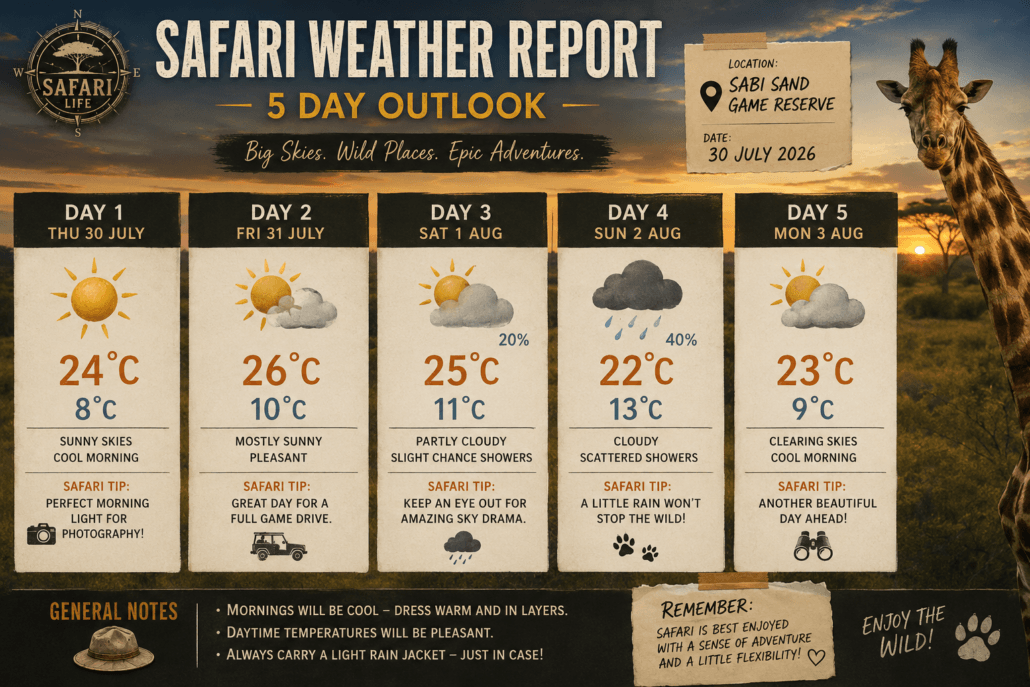
Image AI generated for use as an example.
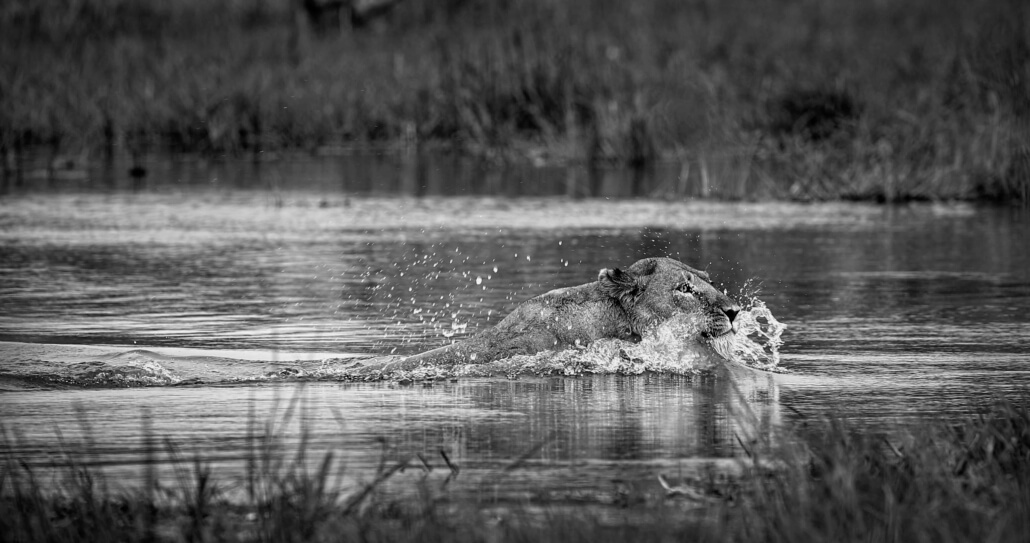
Patience pays off as we waited for this lioness to cross.
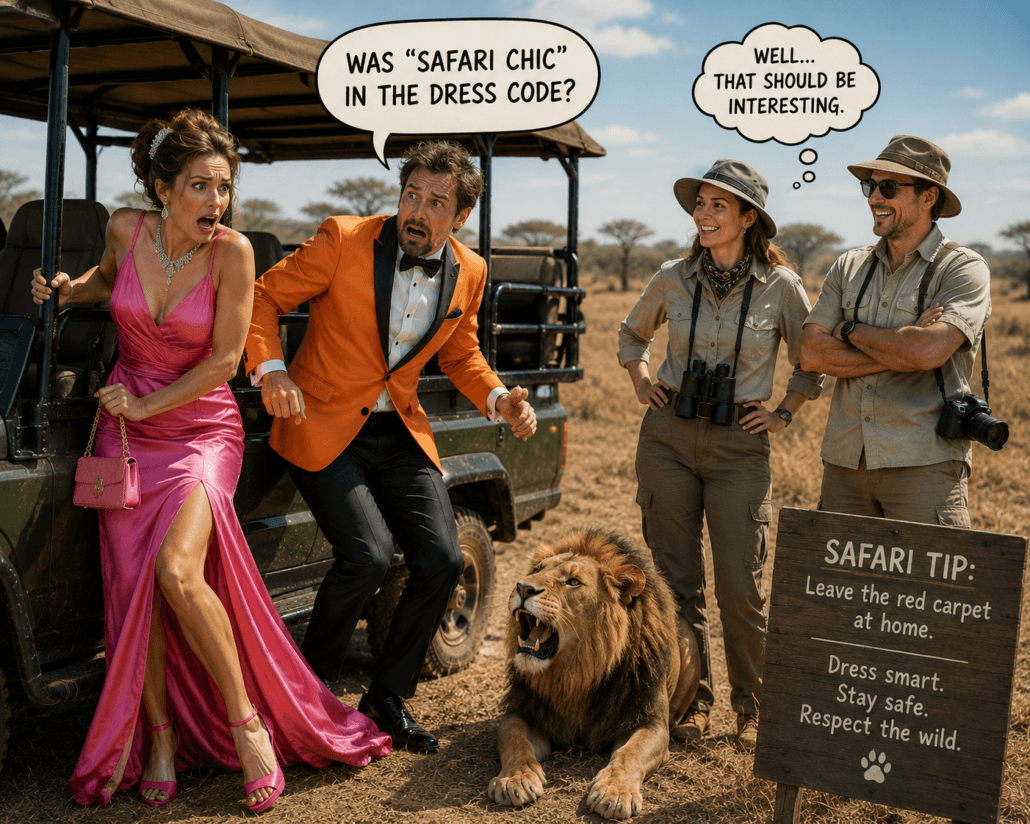
Image AI generated for use as an example.
Safari as Conservation
One of the greatest rewards of planning an African safari is knowing that your journey contributes to something far bigger than a holiday. Every safari helps support the protection of Africa’s wildlife, wild places, and the people dedicated to conserving them.
Responsible wildlife tourism plays a vital role in conservation. By choosing to visit Africa’s protected areas and private conservancies, your investment helps create economic value for wildlife, ensuring that living animals and healthy ecosystems are worth protecting for generations to come.
Your safari contributes to conservation in many ways, including:
- Supporting local guides, trackers, camp staff, and anti-poaching teams.
- Creating sustainable employment for local communities.
- Funding the management of national parks and private conservancies, including security, infrastructure, habitat restoration, and wildlife protection.
- Supporting conservation initiatives, such as the installation of wildlife-friendly fencing designed to reduce unnecessary animal deaths, including projects that help protect vulnerable species like the pangolin.
While there are many ways to support African conservation, few are as rewarding as experiencing it firsthand. By travelling responsibly, you become part of a much larger conservation story – one where your visit helps ensure the future of Africa’s extraordinary landscapes and the wildlife that call them home.
When you lock eyes with a wild leopard, watch elephants crossing an ancient floodplain, or hear a lion roar across the African bush at sunset, you’ll know your journey has become more than a safari and you’ve helped protect the very wilderness you came to experience.
Frequently Asked Questions
With more than 10 years of experience in African tourism, wildlife photography, and photographic safaris, the Rhulani Photo & Film team has developed a thorough understanding of the questions and concerns that travellers have when planning an African safari.
To help make your preparations as straightforward as possible, we have created a comprehensive Frequently Asked Questions (FAQ) guide. It covers many of the topics we are most commonly asked about, including:
- Malaria and recommended medication
- Tipping guidelines
- General health and safety
- Travel insurance
- Safari packing recommendations
- Wildlife safety
- Advice for first-time safari travellers
You can download the complete guide here: RHULANI FAQs (click here to download)
If your question is not answered in the guide, or if you would like personalised advice when planning your African safari, please don’t hesitate to contact the Rhulani Photo & Film team at info@rhulaniphotofilm.com. We are always happy to assist and will respond as soon as possible.
We hope this guide has provided valuable insight into how to plan an African safari and has made the process of preparing for your adventure a little easier. If you are considering joining one of our specialised photographic safaris, we would be delighted to welcome you to Africa and share this remarkable continent with you.
We look forward to hearing from you.
Yours sincerely,
The Rhulani Photo & Film Team
 Armand Grobler
https://rhulaniphotofilm.com/wp-content/uploads/2026/09/2D2A2101-scaled.jpg
1707
2560
Arm Rhu
https://rhulanisafaris.com/wp-content/uploads/2025/10/Rhulani_Logo_Colour-Retina-300x206.png
Arm Rhu2026-09-10 08:59:042026-09-10 13:03:11WILDLIFE CAMERA TRAPPING
Armand Grobler
https://rhulaniphotofilm.com/wp-content/uploads/2026/09/2D2A2101-scaled.jpg
1707
2560
Arm Rhu
https://rhulanisafaris.com/wp-content/uploads/2025/10/Rhulani_Logo_Colour-Retina-300x206.png
Arm Rhu2026-09-10 08:59:042026-09-10 13:03:11WILDLIFE CAMERA TRAPPING Armand Grobler
https://rhulaniphotofilm.com/wp-content/uploads/2026/09/CK2I6074-scaled.jpg
1706
2560
Arm Rhu
https://rhulanisafaris.com/wp-content/uploads/2025/10/Rhulani_Logo_Colour-Retina-300x206.png
Arm Rhu2026-09-02 17:18:592026-09-03 13:56:38SABI SAND – SOUTH AFRICA’S BIG CAT PARADISE
Armand Grobler
https://rhulaniphotofilm.com/wp-content/uploads/2026/09/CK2I6074-scaled.jpg
1706
2560
Arm Rhu
https://rhulanisafaris.com/wp-content/uploads/2025/10/Rhulani_Logo_Colour-Retina-300x206.png
Arm Rhu2026-09-02 17:18:592026-09-03 13:56:38SABI SAND – SOUTH AFRICA’S BIG CAT PARADISE Rhulani Photo and Film
https://rhulaniphotofilm.com/wp-content/uploads/2026/07/63B88730-1A18-495A-8F4A-8D19139BED88.png
1254
1254
Arm Rhu
https://rhulanisafaris.com/wp-content/uploads/2025/10/Rhulani_Logo_Colour-Retina-300x206.png
Arm Rhu2026-07-31 13:02:062026-07-31 13:28:32HOW TO PLAN AN AFRICAN SAFARI
Rhulani Photo and Film
https://rhulaniphotofilm.com/wp-content/uploads/2026/07/63B88730-1A18-495A-8F4A-8D19139BED88.png
1254
1254
Arm Rhu
https://rhulanisafaris.com/wp-content/uploads/2025/10/Rhulani_Logo_Colour-Retina-300x206.png
Arm Rhu2026-07-31 13:02:062026-07-31 13:28:32HOW TO PLAN AN AFRICAN SAFARI
 Proudly Partnered with South Africa’s Premier Wildlife and Boutique Styled Coffee-Table Book Publishers.
 Rhulani Photo and Film
  Armand Grobler